
Podiatry Marketing
Podiatry Marketing Built to Grow Your Practice
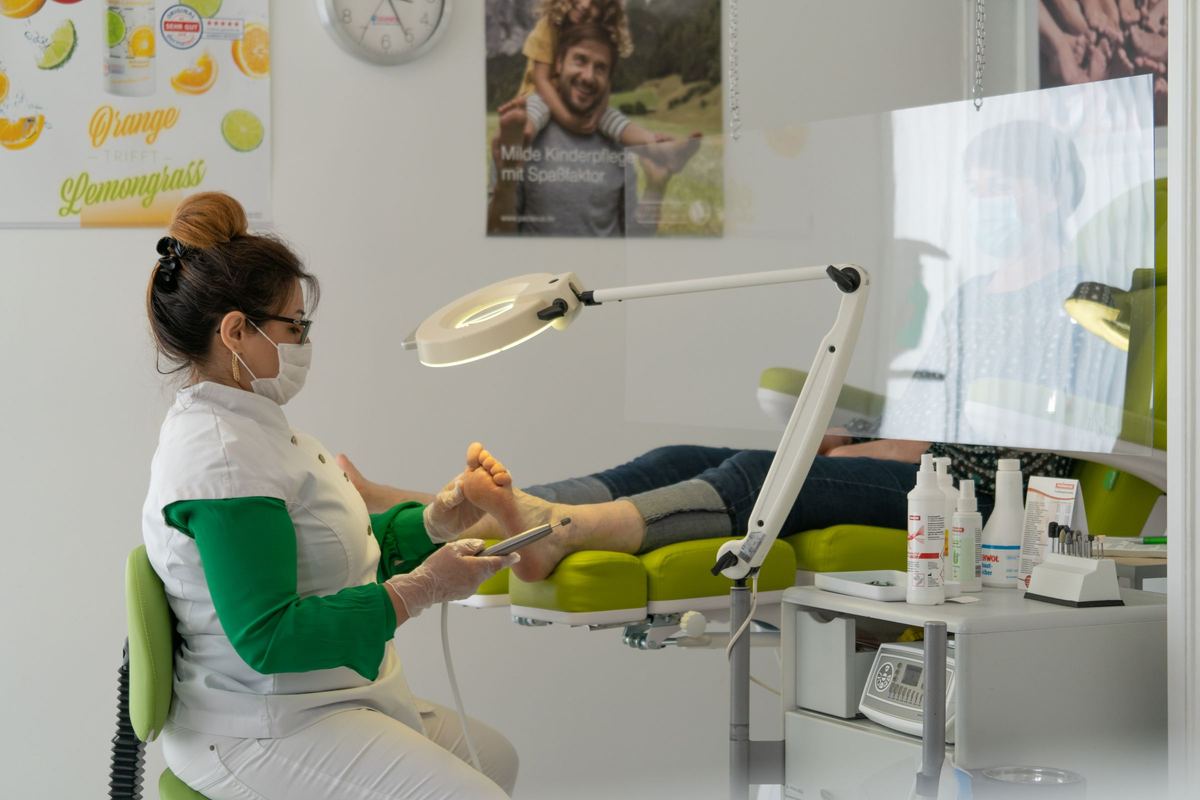
Podiatry marketing helps foot and ankle practices reach patients at the moment they search: a painful heel at 6 a.m., an ingrown toenail that cannot wait, a bunion that has bothered them for years, a diabetic foot check their doctor recommended. Healthcare Marketing by Velocity connects Google Maps visibility, condition search, Google Ads, reviews and front desk conversion into one patient acquisition system measured by booked appointments.
- Maps and condition visibility for every office
- Direct patient demand that complements physician referrals
- Tracking from search to booked foot and ankle visit
Why podiatry is different
Podiatry marketing starts with a symptom, not a specialist
Many patients do not begin their search by looking for a podiatrist. They search what hurts. Heel pain when getting out of bed, a toenail that is red and swollen, a bump at the base of the big toe, an ankle that rolled during a pickleball match, a toenail that has thickened and discolored. Somewhere between the symptom and the appointment, they learn that a Doctor of Podiatric Medicine (DPM) treats the problem, and only then do they start comparing practices.
That pattern shapes everything about podiatrist marketing. A practice that only targets the phrase podiatrist near me is visible at the end of the journey, after a patient has already been nudged elsewhere. A practice that is visible for the conditions themselves, in the neighborhoods it serves, meets patients at the moment they are deciding where to go. Some of those patients will also consider an orthopedic foot and ankle surgeon, an urgent care clinic, a running store or, for nail concerns, a salon. Clear, local, condition specific visibility helps the podiatry practice become the obvious choice.
Podiatry is also a specialty with a large referral base and a large self referred base at the same time. Primary care physicians, endocrinologists, wound care centers and sports medicine providers send patients, while many others book on their own. A strong plan grows both, so the practice has more than one dependable source of new patients.

Local visibility
Google Maps visibility for podiatrists
For most practices the map results drive the majority of local calls. Complete profiles, accurate categories, consistent listings and a steady flow of genuine reviews help each location compete.
Your Practice
Podiatry patient acquisition: winning the Map Pack office by office
For most foot and ankle practices, Google Maps is the highest intent channel available. A patient searching for heel pain treatment or an ingrown toenail doctor is usually looking within a short drive, and the map results appear above most organic listings. Our local search work for medical offices treats each office as its own market.
The foundation is an accurate Google Business Profile for every location. Google advises choosing the most specific primary category that describes the business and adding only a small number of additional categories. For most practices that means Podiatrist as the primary category, with additional categories added only where they accurately describe a real service at that office. Services, hours, holiday hours, appointment links, office photos and accessibility details should be complete and current, and individual DPM profiles kept consistent with the office profile.
Each office also needs a dedicated location page on the website: address, parking and access notes, the podiatrists who practice there, the services and procedures available at that site, insurance information and a direct way to book. Not every office offers in-office surgery, wound care or imaging, and location pages should say exactly what is available where. For a deeper look at ranking factors, see how physicians earn visibility in Google Maps.
Google Business Profile essentials for podiatry
- Podiatrist as the primary category where accurate
- Additional categories only for real services
- One verified profile per physical office
- Services listed by condition and procedure
- Appointment link tagged for tracking
- Real office and team photos, refreshed regularly
- Q&A and posts maintained by the practice
Podiatry SEO and local search visibility
Effective SEO for podiatrists is built around a condition and procedure architecture, not a single services page. Each high value condition deserves its own page written for patients and reviewed by your podiatrists: what the condition is, common symptoms that bring people in, what an evaluation at the practice involves, the conservative and procedural options the practice offers, and when to make an appointment. These pages earn visibility for the long, specific searches that patients use before they know which specialist they need.
The core podiatry condition set usually includes heel pain and plantar fasciitis, bunions, ingrown toenails, diabetic foot care, sports injuries, ankle sprains and instability, fungal nails, hammertoes, wound care and custom orthotics. Many practices add Achilles tendon pain, neuromas, flat feet, warts, gout and pediatric foot concerns based on their providers and capacity. Pages link to the relevant location pages and provider bios so a reader can move from learning to booking in a click or two.
Content quality matters more here than volume. Foot and ankle conditions are health topics, so pages should be accurate, clearly attributed to qualified clinicians, careful about promised outcomes and specific about what your practice actually does. Our medical SEO program pairs this condition architecture with technical health, schema for physicians and locations, and internal linking that helps search engines understand which office treats which condition.
Foot and ankle service lines: search behavior, channels and measurement
Each podiatry service line attracts a different kind of search and a different kind of patient. This is how we typically plan channels and measurement for each one. Priorities shift with your providers, payer mix and capacity.
| Service line | Typical patient search behavior | Best-fit channels | What to measure |
|---|---|---|---|
| Heel pain and plantar fasciitis | Symptom searches first ("heel pain in the morning"), then treatment and specialist searches nearby | Condition page SEO, Google Maps, Google Ads condition ad group | Booked heel pain evaluations by source; calls from the condition page |
| Ingrown toenails | Urgent, local, mobile searches; many patients want same week or same day care | Google Maps, call assets in Google Ads, online booking | Calls answered, same week appointments, missed call rate |
| Bunions and hammertoes | Longer research window; cost, recovery and "do I need surgery" questions | Condition and procedure pages, provider bios, remarketing where policy allows | Consultations booked, consult to procedure rate, time from first visit to decision |
| Diabetic foot care | Patients and caregivers search for routine foot exams and footwear; many arrive via physician referral | Referral development, condition page, Google Maps | Referred versus self referred new patients, recall visits kept |
| Wound care | Driven largely by physician and facility referrals; caregivers search urgently | Referral outreach to primary care, endocrinology and wound centers; fast intake path | Referral volume by source, time from referral to first visit |
| Sports injuries and ankle sprains | Injury searches by athletes, parents and runners; urgency within days | Google Maps, Google Ads, sports medicine and trainer relationships | New injury visits, source by channel, referral partner volume |
| Fungal nails | Cosmetic and medical mix; product and treatment comparison searches | Condition page SEO, careful paid search with tight negatives | Consults booked, cost per booked consult |
| Custom orthotics | Searches tied to foot pain, running and footwear; often follows another diagnosis | Content linking from condition pages, existing patient communication | Orthotic fittings per month, attach rate from evaluations |
Surgical and non-surgical treatment marketing
Most foot and ankle care begins conservatively, and patients know it. Someone with plantar fasciitis or a painful bunion is often hoping to avoid surgery, and copy that leads with the operating room can push them toward another practice. The stronger approach is to present the full care pathway honestly: an evaluation, conservative options such as footwear changes, padding, orthotics, injections or physical therapy where appropriate, and surgical options when conservative care is not enough. This reflects how many podiatrists practice and gives patients confidence that they will not be rushed.
Surgical service lines such as bunion correction, hammertoe correction and reconstructive procedures have a longer consideration cycle. Patients read about recovery, time off work, footwear afterward and their surgeon's training. Pages for these procedures should explain what the procedure involves in plain language, what recovery generally looks like, and who the surgeons are, while avoiding promised results, unsupported comparisons and before and after imagery without documented consent. Measure these lines by consultations and the share that proceed, recognizing that the decision may take months.
Claims deserve particular care. Phrases such as painless, permanent cure or no downtime can mislead patients and may conflict with advertising platform policies and state rules. We write to what your podiatrists can stand behind and route clinical statements through their review.
Diabetic patients, Medicare and careful language
Diabetic foot care is one of the most meaningful service lines in podiatry and one that calls for the most care in marketing. Content can explain why people with diabetes are often advised to have their feet checked regularly, what a diabetic foot exam at the practice involves and how to schedule, but it should not diagnose, tell readers how to treat a wound at home or suggest that a visit replaces their physician's guidance. Coverage for routine foot care, therapeutic footwear and related services depends on the patient's plan and specific criteria, so marketing should avoid promising that Medicare or any insurer will pay. Direct patients to the office to verify their coverage. This is marketing guidance, not medical, billing or legal advice.
Referral dependence and direct to patient demand
Many podiatry practices are built on strong referral relationships with primary care practices, endocrinologists, wound care centers, sports medicine physicians, physical therapists and home health teams. Those relationships are an asset worth protecting. They also mean new patient volume can move with a single referring group's staffing or ownership changes. Adding a dependable flow of self referred patients from search and maps gives the practice a second engine alongside its referral base.
On the referral side, the work is practical. A one page referral guide for each referring office that lists the conditions you treat, locations, insurance accepted and how to send a referral. A fast, reliable process for referred patients so the referring office hears that their patient was seen. Periodic updates when you add a provider, an office or a service such as wound care or in-office procedures. Referral source tracking in the practice management system so you can see which relationships are growing.
On the direct side, the work is the local SEO, condition content, Google Ads and reviews described on this page. The two reinforce each other: referred patients search the practice name before they call, and a strong profile with clear information and recent reviews helps them follow through. Our new patient acquisition programs plan both sources together.
See what podiatry marketing could do for your podiatry practice
Schedule a consultation about your podiatry practice. We will talk through your service lines, your local competition and where new patient demand is most available.
Local competition in foot and ankle search
Podiatry shares search results with several other kinds of providers. Each one calls for a slightly different positioning response.
Orthopedic foot and ankle surgeons
For injuries and surgical procedures, patients often see orthopedic groups in the same results. Clear DPM credentials, procedure pages and the full conservative to surgical pathway help patients understand what your practice offers. Practices that also refer to orthopedics may find our orthopedic marketing approach useful context.
Urgent care clinics
Ankle sprains and painful toenails sometimes lead patients to urgent care first. Same week availability, visible online booking and a clear message that podiatrists treat these problems directly help patients choose the specialist sooner.
Nail salons and retail
Some nail and foot comfort searches overlap with salons, pedicure services and retail inserts. Condition pages that explain when medical care is appropriate, and paid search negatives that exclude cosmetic pedicure intent, keep budget on medical demand.
Other podiatry practices
Head to head competition is mostly local. Office level profiles, review velocity, accurate location pages and responsive phones tend to separate practices in the same area.
Google Ads for podiatrists
Paid search can bring foot and ankle patients to the practice quickly, especially for new offices, new providers or service lines with open capacity. Podiatry advertising works best when campaigns mirror the condition architecture of the website instead of a single broad campaign. That means separate ad groups for heel pain and plantar fasciitis, ingrown toenails, bunions, ankle injuries, diabetic foot care, fungal nails and other priority lines, each sending traffic to the matching condition page with a clear booking path.
Targeting is set by a realistic travel radius around each office rather than a whole metro area, and bids can reflect office capacity. Call assets matter because many podiatry patients would rather phone than fill out a form, and those calls should route to a tracked number that the front desk answers during the hours ads run. Negative keyword lists do much of the quiet work: terms such as salon pedicure, pedicure near me, nail art, foot spa, shoe store, jobs, salary and school keep spend on patients rather than shoppers and job seekers.
Google restricts certain healthcare and medicine advertising, including prescription drug terms and unproven treatments, and requirements vary by location. Ad copy and landing pages are written to stay within current policy and to avoid claims your podiatrists would not make in person. See how we structure Google Ads campaigns for medical practices.
Podiatry website design that turns visits into appointments
A podiatry website has a narrow job: help a person with a foot or ankle concern decide your practice is right and book. The details that support that job are specific. Online booking or an appointment request on every page, with the phone number tap to call on mobile. Insurance information that lists accepted plans and invites patients to verify coverage. Location pages for every office. Condition pages that connect to booking. Provider bios that state real credentials accurately: the DPM degree, residency training, hospital affiliations and board certification only where a podiatrist actually holds it, named with the correct certifying board.
Many patients are older adults or are researching for a parent, so readability matters: comfortable type size, strong contrast, simple navigation and forms that are easy to complete on a phone. Forms should collect only what scheduling needs and avoid inviting detailed health information through unsecured channels. Analytics, chat and tracking tools should be configured in a privacy-aware way, with Business Associate Agreements where required. Our physician website design work builds these conversion paths into the structure from the start.
Reputation management and front desk conversion for podiatrists
Reviews influence both Google Maps visibility and the patient's decision. Podiatry patients often mention how quickly they were seen, whether the problem was explained clearly and whether the pain improved. A steady, consistent request process that asks every patient after the visit, without selectively asking only satisfied patients and without incentives, stays within Google's review policies and produces a realistic picture of the practice. Responses should be courteous and never confirm that the reviewer is a patient or discuss their care. Our reputation management for practices sets up that process by office and provider.
Call tracking closes the loop. Dynamic numbers on the website, a tracked number on each Google Business Profile and call assets in ads show which channel produced each call, which calls were answered and which became appointments. Recording and review should follow your policies and applicable consent rules.
The front desk is where podiatry marketing either converts or leaks. A simple script helps: greet, ask what brought them in today, confirm the condition and the office, check insurance, offer the earliest appropriate appointment, and confirm by text. Staff should know which conditions often warrant a sooner visit so they can route those calls appropriately under practice protocols. Tracking answered call rate and booking rate by staff and time of day usually reveals simple scheduling opportunities.
The podiatry patient journey
Most foot and ankle patients move through a recognizable sequence. Marketing works best when each step has an owner and a measurement.
Symptom or recommendation
Heel pain, a painful toenail, an injury or a physician's recommendation to have their feet checked starts the process.
Condition search
The patient searches the symptom or condition and learns that a podiatrist treats it. Condition pages and map listings earn this moment.
Practice comparison
They compare nearby practices in Google Maps: distance, reviews, photos, hours, insurance and whether they can book soon.
Verification
They visit the website to confirm the condition is treated, check the office location, read provider bios and look for insurance information.
Booking
An online booking, a form or a call. Answer speed and the first available appointment often decide the outcome.
First visit and treatment plan
The evaluation sets the plan, from conservative care to a surgical consultation where appropriate.
Follow up, review and referral
Follow up visits, a review request and the patient's own recommendation to family and friends extend the relationship.
Patient acquisition cost and marketing ROI for podiatry
Patient acquisition for podiatrists should be measured in booked and attended new patient visits by source, not impressions or clicks. Patient acquisition cost is total marketing spend for a channel divided by the new patients that channel produced in the same period. The method is explained step by step in our guide to calculating patient acquisition cost, and you can run your own numbers with the patient acquisition cost calculator.
Return on marketing compares the value of those patients with what it cost to acquire them. In podiatry the value of a new patient varies widely by service line: a single visit for an ingrown toenail, a series of visits for plantar fasciitis, ongoing diabetic foot care, or a surgical episode. As a purely illustrative example, if a practice spends $5,000 in a month on paid search and that spend produces 50 attended new patient visits, the acquisition cost is $100 per new patient; whether that is a good return depends on the visits and procedures those patients go on to need. The marketing ROI calculator for practices helps model this with your own figures. Our analytics and reporting service builds the tracking that makes these numbers trustworthy.
How we measure podiatry marketing performance
- New patient visits by source
- Attended first visits attributed to Maps, organic search, paid search, referral partners and other channels, by office.
- Google Business Profile actions
- Calls, direction requests and website clicks from each office profile.
- Condition page visibility
- Search visibility and booking actions for priority conditions such as heel pain, ingrown toenails and bunions.
- Answered call rate
- The share of inbound calls answered live, by office, day and time.
- Call to appointment rate
- The share of new patient calls that become booked appointments.
- Cost per booked new patient
- Paid media spend divided by booked new patients, by ad group and condition.
- Referral volume by partner
- New patients from each referring practice or facility, tracked over time.
- Reviews by office
- New reviews per month and average rating for every location.
- Surgical consult to procedure rate
- The share of surgical consultations that proceed, measured over a realistic decision window.
How to choose a podiatry marketing agency
A useful podiatry marketing agency should be able to explain how it will improve visibility for specific foot and ankle conditions in each of your office areas, how it will track calls and bookings back to source, how it handles healthcare advertising policies and patient privacy, and who on your team reviews clinical content. Ask for a sample monthly report, ask who owns your accounts and data, and ask how the agency measures success in booked new patients rather than traffic alone.
In the interest of transparency, Healthcare Marketing by Velocity is a podiatry marketing provider, so we have a stake in this decision. Our guide to selecting a podiatry marketing partner lays out questions you can use with any agency, including us. Practices that also want executive level growth strategy can learn about fractional CMO support through Velocity Revenue Partners.
Velocity is based in the Tampa Bay area and works with practices nationally. Foot and ankle practices in Pasco, Pinellas and Hillsborough counties can learn more about our local work on the Tampa Bay healthcare marketing page.
Proof
Podiatry and healthcare marketing case studies
Published client work with the time period and the work behind every figure. Use it to judge how we would approach podiatry marketing for your podiatry practice.
Podiatry
American Foot & Ankle Centers
Nov 2026 engagement start: full website rebuild and growth program
A podiatry practice in Ocala, Florida, beginning a complete website rebuild and patient growth program with Velocity.

Primary care
Internal Medicine MD
16,000+ Facebook followers in three months, up from about 400
Digital infrastructure and a social content system for a two location internal medicine practice in Hudson and Trinity, Florida.

Healthcare public relations
Shekinah Global Healthcare Foundation
12+ media and wire pickups, including AP News and a FOX 13 broadcast feature
A surgeon led press campaign that built national coverage for a nonprofit surgical mission ahead of a fixed departure date.
Services
Podiatry marketing services
Local SEO
Google Business Profile, map visibility, listings, reviews and location pages for medical practices and individual practitioners.
Medical SEO
Search optimization for physicians and independent practices, built around provider pages, procedures, conditions and clinical credibility.
Google Ads
Hands on Google Ads account management for medical practices: audits, campaign setup, assets, conversion tracking and budget pacing.
Medical Website Design
Websites for physician practices with clear provider bios, service pages, easy booking, accessible design and fast mobile performance.
Reputation Management
Review generation, monitoring and HIPAA-conscious response workflows that help practices earn an accurate, current reputation on the platforms patients check.
Patient Acquisition
Full funnel patient acquisition marketing that connects demand, conversion, intake and capacity so growth is measured in first visits, not clicks.
Specialties
Specialties related to podiatry

Orthopedics
Orthopedic marketing for surgical and non-surgical service lines, sports medicine and the referral relationships that feed them.

Pain Management
Marketing for interventional and multidisciplinary pain practices that respects sensitive patients, referral relationships and strict advertising rules.
Physical Therapy
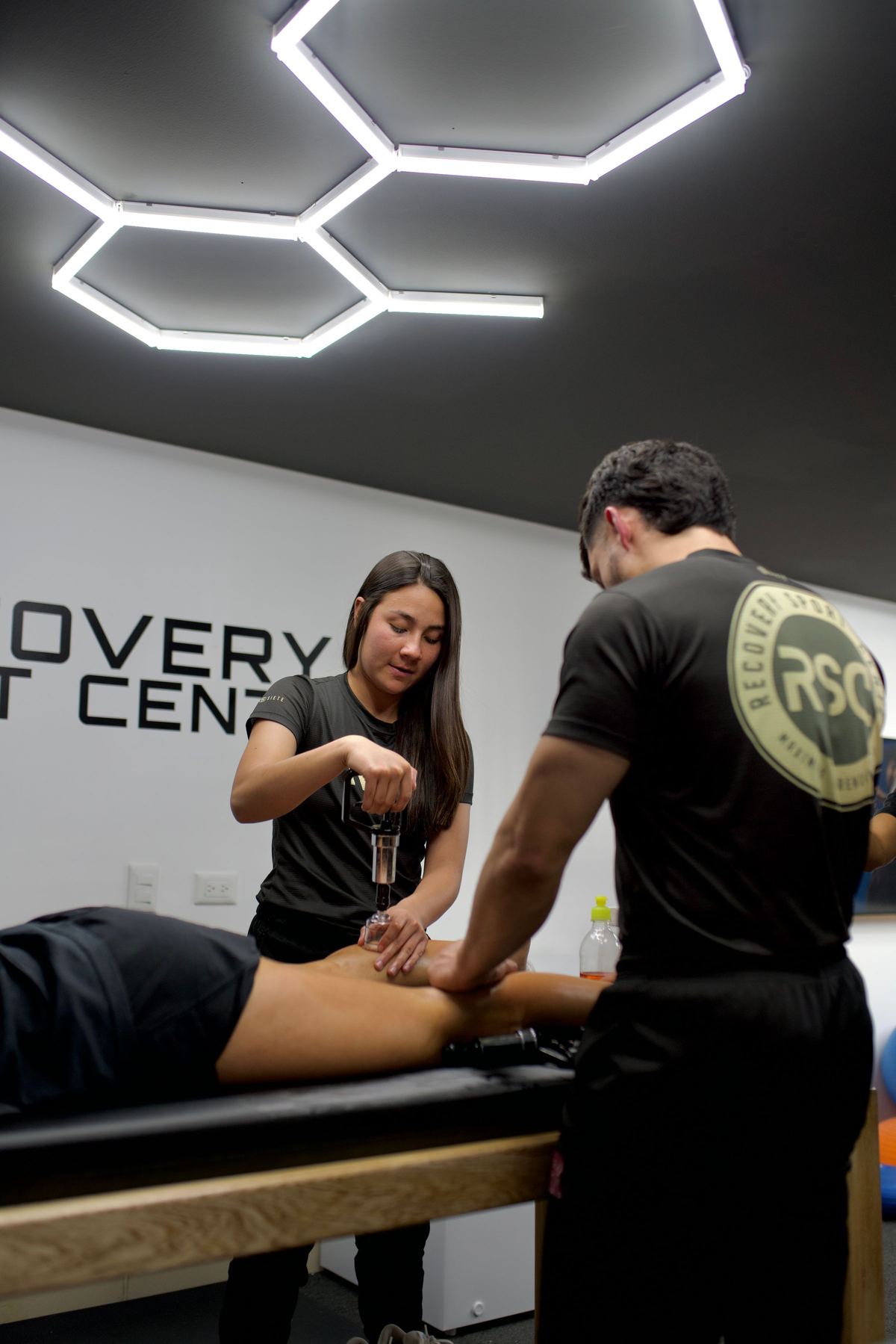
Physical therapy marketing that brings in new evaluations from physicians and direct searches, then supports plan of care completion and reactivation.
Resources
Podiatry marketing guides
How to Choose a Podiatry Marketing Agency
Evaluation criteria, questions to ask, red flags and a comparison of agency types for foot and ankle practices choosing a marketing partner.

How Doctors Rank in Google Maps
How Google decides local map rankings for doctors and practices: relevance, distance and prominence, practitioner vs practice profiles, categories, reviews and location pages.

How to Calculate Patient Acquisition Cost
Formulas for blended and channel level patient acquisition cost, fully loaded vs media only, lifetime value, payback and the data you need to trust the numbers.
FAQ
Podiatry marketing FAQs
What does podiatry marketing include?
Podiatry marketing typically includes Google Business Profile management for each office, location and condition pages, podiatry SEO, Google Ads, review generation, call tracking, website conversion improvements, referral development and reporting tied to booked new patients. The mix depends on your offices, providers, capacity and goals.
Should a podiatry practice focus on SEO or Google Ads?
Most practices benefit from both. Google Ads can produce calls and bookings soon after launch for priority conditions and offices, while local SEO and condition pages build visibility that typically grows over several months. Many practices start paid search for immediate demand while the organic foundation develops.
How do podiatrists rank in Google Maps?
Map visibility generally depends on relevance, distance and prominence. An accurate profile with Podiatrist as the primary category where appropriate, complete services, consistent business information, steady reviews and a strong location page on the website can all help. Each physical office needs its own verified profile.
Can we market diabetic foot care and Medicare covered services?
Yes, carefully. Content can explain what a diabetic foot exam involves and how to schedule, while avoiding medical advice and avoiding promises that Medicare or any insurer will cover a service. Coverage depends on the patient's plan and specific criteria, so patients should verify with the office.
How do you keep pedicure and salon searches out of our ad budget?
Through negative keyword lists that exclude terms such as salon pedicure, nail art and foot spa, tight location targeting around each office, and ad groups built around medical conditions. Search term reports are reviewed regularly and new negatives are added as patterns appear.
How do you market bunion and hammertoe surgery without overpromising?
By presenting the full care pathway, including conservative options, explaining what surgery and recovery generally involve, describing surgeon training accurately and avoiding promised results, unsupported outcome claims and unconsented patient images. Clinical content is reviewed by your podiatrists before publishing.
Will marketing make us less dependent on referrals?
It can help diversify. Local search, condition content and paid search build a direct to patient source of new patients, while a structured referral program strengthens existing physician relationships. The aim is two dependable sources that support each other rather than replacing referrals.
How do you measure podiatry marketing results?
We track calls, forms and online bookings to source, then connect them to booked and attended new patient visits wherever your systems allow. Monthly reporting covers new patients by channel and office, cost per booked new patient, call answer and conversion rates, referral volume and reviews.
What should a podiatrist look for in a marketing agency?
Look for experience with foot and ankle search behavior, Google Maps strategy for every office, Google Ads that filter out pedicure and salon searches, and reporting on booked appointments rather than clicks. Our guide on how to choose a podiatry marketing agency lists the questions to ask.
How much should a podiatry practice spend on marketing?
Start from your new patient goal and work backward to the inquiries and budget needed to reach it, based on your own conversion rates and patient value. That produces a budget tied to growth rather than a percentage guess. The healthcare marketing budget calculator walks through the steps.
Sources and further reading
- Google Business Profile Help: Manage your business category
- Google Ads Advertising Policies Help: Healthcare and medicines
- American Podiatric Medical Association
External sources are provided for context. Marketing guidance on this site is not legal advice.
Next step
Ready to grow your podiatry practice?
Tell us about your podiatry practice: the services you want to grow, your locations and how patients find you today. We will show you where podiatry marketing can add the most new patients and how we would measure it.