
Healthcare Digital Marketing
Healthcare Digital Marketing Agency Focused on Growth
Healthcare Marketing by Velocity is a healthcare digital marketing agency for practices and health organizations. We run healthcare SEO, Google Ads, paid social, content, the website, reviews, email and automation as one connected program, so every channel has a clear job and is measured by the appointments it produces.

- Search, paid media, social, content and website under one plan
- Channel mix chosen by service line and patient intent
- Reputation, email and automation that keep patients coming back
- Reporting tied to calls, forms and booked appointments
Where growth is available
What a healthcare digital marketing agency does
A healthcare digital marketing agency plans and runs the online channels patients use to find, compare and contact a practice: search, Google Ads, social media, content, the website, reviews and email. The difference between a good program and a busy one is whether those channels work toward the same patient goals.
Most healthcare organizations already use several of these channels. There is a website, a Google Business Profile for each location, some paid search, perhaps social media and a newsletter. The opportunity is usually in how the pieces fit: whether each channel has a defined role for each service line, whether the website turns the traffic every channel sends into appointments, and whether budget follows the channels that actually produce patients.
This page explains how we build that program. For the broader view of choosing a full service partner, see our healthcare marketing agency page. For the practice owner's view of the full patient path, including phones and the front desk, see medical practice marketing.

Integrated marketing
How the channels in a digital program work together
Patients move between search, maps, social, reviews and your website before they call. We plan the channels together so each one supports the others.
The channels in a healthcare digital marketing program
Each channel has a distinct job. The plan assigns those jobs deliberately so channels support one another instead of competing for credit.
Healthcare SEO
Durable organic visibility for services, conditions, providers and locations across a whole organization.
Medical SEO
Provider, procedure and condition pages that help individual doctors and practices earn visibility.
Local SEO and Google Maps
Accurate Google Business Profiles and listings for every location, where many patients make their first choice.
Google Ads
Immediate presence for high intent searches, priority service lines and new locations, managed against cost per inquiry.
Paid social
Reach for elective services, events and new providers on Facebook and Instagram, planned around platform health rules.
Content marketing
Clinically reviewed articles, service pages and video that answer the questions patients ask before they book.
Website strategy
The destination every channel shares. Speed, structure and clear booking paths decide how much each channel returns.
Reputation management
A steady flow of genuine reviews and careful responses that strengthen every map listing and search result.
Email and automation
Recall, reactivation, nurture and fast follow up on new inquiries, routed through tools configured for healthcare.
Search: healthcare SEO, medical SEO and local visibility
Search is where most patients start, so it anchors most digital programs. Organizations with many locations and service lines need healthcare SEO built on scalable site architecture, consistent location pages and governance across many authors. Independent practices usually get more from medical SEO focused on provider pages and the procedures and conditions that define the practice.
Both depend on local visibility. For searches such as a specialty plus "near me", Google shows a map with a short list of practices, and that list often drives more calls than the organic results below it. Complete profiles, accurate categories, consistent listings and recent reviews help each location compete there.
What search work includes
- Technical health and site speed
- Service, condition and provider pages
- Location pages for every office
- Google Business Profile management
- Structured data that matches visible content
- Clinically reviewed content plan
Paid search, Google Ads and paid social
Paid search reaches patients at the moment of need: someone searching for a procedure, a same week appointment or a specialist who takes their insurance. We manage Google Ads for medical practices and broader healthcare PPC programs across Google and Microsoft Ads, with campaigns organized by service line and location so budget follows the services you most want to grow.
Paid social works earlier in the decision. It is strongest for elective and cash pay services, new providers, events and community programs, where showing a physician on video can build familiarity before someone searches. Health advertising rules limit some targeting and claims on both platforms, so creative, audiences and landing pages are planned with those policies in mind.
Content, website strategy and conversion
Every channel sends people to the website, so the website decides how much of that traffic becomes appointments. We look at whether service pages answer the questions patients ask, whether provider pages show credentials clearly, whether the booking and call options are obvious on a phone, and whether forms ask only for what intake needs. Small fixes here raise the return of every other channel.
Content does two jobs at once. Clinically reviewed explanations of conditions, procedures and recovery help patients decide, and the same pages earn search visibility over time. A structured healthcare content marketing program publishes in order of patient demand rather than at random, and conversion optimization keeps improving the pages that matter most.
Reputation, email and marketing automation
Reviews influence nearly every digital touchpoint: the map pack, search results, physician directories and even ad performance. Reputation management gives every patient the same invitation to review, responds carefully without confirming anyone is a patient, and keeps profiles current across locations.
Email and automation keep the program from leaking. New inquiries are routed to the right person and followed up within minutes, prospective patients for elective services receive helpful follow up, and existing patients get recall and reactivation messages that bring them back for the care they need. That retention work is often the least expensive growth a practice has.
How we build a healthcare digital marketing program
The order matters. Foundations come before spend so every later channel has something solid to send patients to.
Audit
We review search visibility, Google Business Profiles, ad accounts, the website, reviews, social and email, and document a baseline.
Channel plan
Each priority service line and location gets a channel mix based on how patients search for it and what it is worth to the practice.
Foundations
We fix profiles, tracking and the highest traffic pages first, so paid and organic programs launch on a site that converts.
Launch
Campaigns, content and review workflows go live in the order that produces patients fastest.
Optimize
Budget, keywords, creative and pages are adjusted monthly toward the channels with the lowest cost per booked patient.
Report
A monthly report explains what changed and why; quarterly reviews revisit the channel mix with leadership.
Choosing a channel mix by goal
A starting point we refine for each organization. The right mix depends on specialty, competition and capacity.
| Goal | Lead channels | Supporting channels |
|---|---|---|
| Fill a new location | Google Business Profile, Google Ads with location targeting | Location page, review requests, local social |
| Grow a high value procedure | Medical SEO procedure pages, Google Ads | Content, before and after galleries with consent, email nurture |
| Increase new patient visits for a group | Healthcare SEO, local SEO across locations | Reputation management, conversion optimization |
| Launch an elective or cash pay service | Paid social, Google Ads | Landing page, email and automation follow up |
| Bring existing patients back | Email recall and reactivation | Reviews, social content |
| Reduce cost per new patient | Conversion optimization, call handling | Budget shifts toward proven campaigns |
Patient privacy in digital marketing
Tracking pixels, chat tools and scheduling widgets on a healthcare website need careful review. HHS guidance on online tracking technologies has changed since it was first issued, and part of it was vacated by a federal court in 2024, so we treat tracking decisions as shared decisions with your compliance lead and counsel. We take a HIPAA-conscious approach and recommend configurations that avoid sending health information to advertising platforms. This is marketing guidance, not legal advice.
How measurement supports the program
Measurement is what lets a digital program improve month after month. We track calls, forms and booking requests by channel and location, connect them to scheduled visits where your systems allow, and report cost per new patient alongside channel metrics. The detailed setup, including dashboards and attribution, is covered on our healthcare marketing analytics page.
Measures for a healthcare digital marketing program
We report these by channel, service line and location wherever the data supports it.
- Qualified inquiries
- Calls, forms and booking requests that match services the organization provides.
- Cost per booked patient
- Spend divided by booked new patients, by channel and overall.
- Non branded search visibility
- Impressions and clicks for service and location searches that do not include your name.
- Website conversion rate
- The share of visitors to priority pages who call, book or submit a form.
Talk through your digital channels
We will review how your search, ads, social, website and reviews work together today and outline where a connected program could add the most patients.
Proof
Digital marketing case studies
Real engagements, published with the time period, the work behind every number and the context you need to judge it.
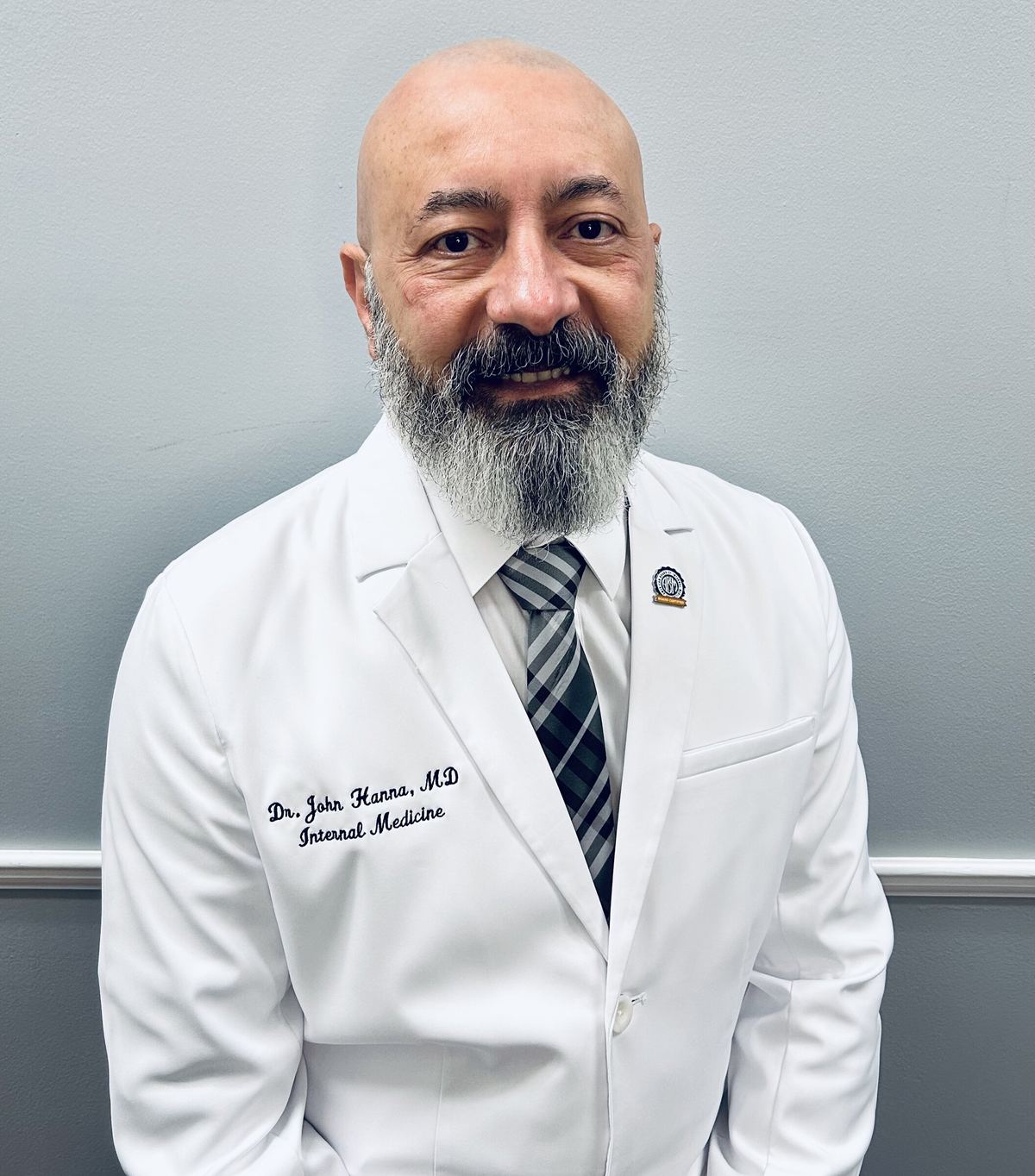
Primary care
Internal Medicine MD
16,000+ Facebook followers in three months, up from about 400
Digital infrastructure and a social content system for a two location internal medicine practice in Hudson and Trinity, Florida.

Healthcare public relations
Shekinah Global Healthcare Foundation
12+ media and wire pickups, including AP News and a FOX 13 broadcast feature
A surgeon led press campaign that built national coverage for a nonprofit surgical mission ahead of a fixed departure date.
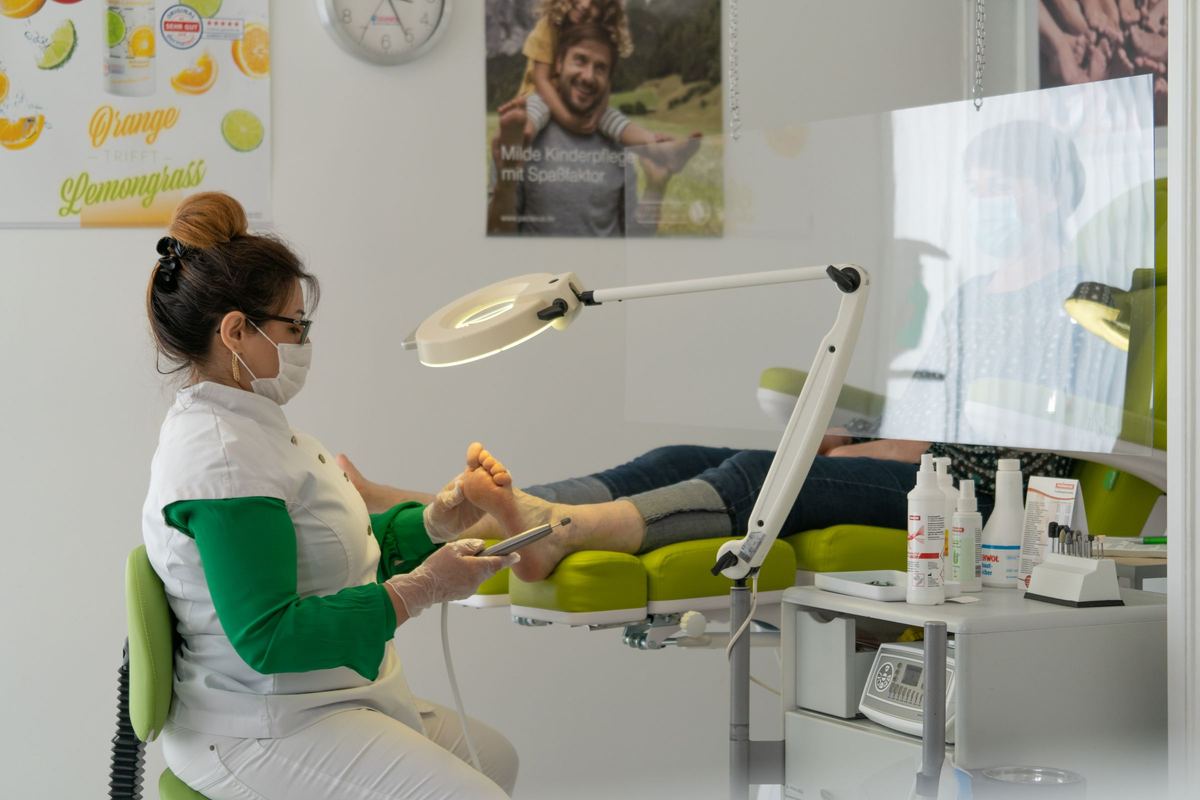
Podiatry
American Foot & Ankle Centers
Nov 2026 engagement start: full website rebuild and growth program
A podiatry practice in Ocala, Florida, beginning a complete website rebuild and patient growth program with Velocity.
Specialties
Specialties we run digital programs for
Podiatry
Podiatry marketing for foot and ankle practices: Google Maps visibility, condition search, Google Ads, website conversion and referral growth, measured to booked new patients.

Dermatology
Marketing for dermatology practices that balances medical, surgical and cosmetic service lines under one credible brand.

Plastic Surgery
Plastic surgery marketing designed for long research cycles, consultation conversion and careful, compliant claims.

Multi-Location Practices
Marketing systems for medical groups with many locations: brand governance, location pages, Google Business Profiles at scale and budget models.
Services
Digital channels in the program
Healthcare SEO
Technical, content and local search strategy built for healthcare organizations that want durable organic visibility.
Google Ads
Hands on Google Ads account management for medical practices: audits, campaign setup, assets, conversion tracking and budget pacing.
Paid Social
Paid advertising on Facebook, Instagram and other social platforms for healthcare practices, planned around platform health rules and patient privacy.
Healthcare Content Marketing
Editorial strategy, clinically reviewed content and repurposing workflows that build expertise signals and patient trust across search and social.
Reputation Management
Review generation, monitoring and HIPAA-conscious response workflows that help practices earn an accurate, current reputation on the platforms patients check.
Email Marketing
Patient newsletters, recall and reactivation campaigns planned with consent, CAN-SPAM requirements and patient privacy in view.
Conversion Rate Optimization
Testing and refinement of forms, calls, booking flows and landing pages so more of your existing website traffic becomes scheduled patients.
Resources
Healthcare digital marketing guides

How AI Search Is Changing Healthcare Marketing
What AI Overviews and AI assistants mean for medical practices, what Google says about appearing in AI features, and practical steps grounded in helpful content.

How to Evaluate Healthcare Marketing ROI
Formulas for ROI, ROAS and cost per acquired patient, attribution models and their limits, data sources, privacy-aware measurement and a reporting cadence.
FAQ
Healthcare digital marketing FAQs
What does a healthcare digital marketing agency do?
A healthcare digital marketing agency plans and manages online channels such as SEO, Google Ads, social media, content, the website, reviews and email, and connects them so the organization can see which efforts lead to booked patients. Healthcare work also requires care with clinical content, advertising rules and patient privacy.
How is healthcare digital marketing different from other industries?
Health topics are held to higher quality standards by search engines, advertising platforms restrict certain health targeting and claims, and tracking tools need to be reviewed for patient privacy. Many conversions also happen by phone, so the program has to reach beyond the website.
Which digital channel should we start with?
For most organizations, the starting point is the foundation: accurate Google Business Profiles, a fast website with clear booking paths and reliable call and form tracking. From there, SEO builds durable visibility and Google Ads covers priority services that need immediate presence.
How does healthcare SEO fit into a digital marketing program?
SEO is usually the channel with the longest lasting return. It brings patients searching for services, conditions and providers, and the same pages make paid campaigns and email more effective. Paid search fills gaps while organic visibility builds.
Should we use Google Ads or paid social?
Google Ads reaches people already searching for care, so it usually comes first for medical services. Paid social reaches people before they search and works best for elective, cash pay and new services. Many organizations use both with different budgets and goals.
Can we still use tracking pixels on a healthcare website?
It depends on the pages, the information involved, the vendors and how the tools are configured. HHS guidance has evolved and been litigated, so we recommend reviewing tracking decisions with qualified counsel. We help inventory tools and recommend privacy-aware configurations. This is marketing guidance, not legal advice.
How do you report results?
We provide a shared dashboard and a monthly report with commentary. Reports focus on qualified inquiries, booked patients and cost per new patient by channel, with platform metrics as supporting detail. Quarterly reviews revisit the channel mix and budget allocation.
Can you run a digital program alongside our in-house team?
Yes. Many organizations keep social media or content in house and ask us to run SEO, Google Ads and reporting. We agree on who owns each channel, share one plan and one dashboard, and meet on a regular cadence so the channels stay coordinated. We are based in Tampa and work with teams nationally.
Sources and further reading
- HHS: Use of Online Tracking Technologies by HIPAA Covered Entities and Business Associates
- Federal Trade Commission: Health Breach Notification Rule
External sources are provided for context. Marketing guidance on this site is not legal advice.
Next step
Ready to connect every digital channel to patient growth?
Tell us about your organization, your market and the patients you want to reach. We will show you where growth is most available and how we would measure it.