
Healthcare PPC
Healthcare PPC Agency Built Around Patient Acquisition
As a healthcare PPC agency, Healthcare Marketing by Velocity sets paid search strategy for health organizations and multi-location groups across Google Ads and Microsoft Advertising: how much to invest, how to split budget across service lines and locations, and how to measure which spend produces qualified patient calls and appointment requests.

- Strategy across Google Ads and Microsoft Advertising
- Healthcare advertising policies built into the plan
- Measurement anchored to calls, forms and bookings
Where growth is available
Healthcare PPC strategy across Google and Microsoft
Healthcare PPC is the strategy layer of paid search: deciding which services, locations and search engines get budget, and holding every dollar to a cost per qualified inquiry. Hands on management of a single practice's Google Ads account is covered on our Google Ads for medical practices page.
Search ads appear when a person is actively looking: for a specialist, a procedure, a same week appointment, or a provider who accepts their insurance. That intent is what makes paid search one of the most direct channels in healthcare marketing. A well run program can place a service line in front of the right patients within days, while organic visibility builds in parallel.
The value comes from discipline rather than budget size. Healthcare searches mix high intent queries with research, job seekers, students and people looking for a different kind of provider. Medical PPC that is structured carefully spends on the first group and filters the rest, then measures results in terms the practice recognizes: new patient calls, booking requests and the services those patients need.
Paid search also works as a source of insight. Search term data shows exactly how patients describe their needs, which can inform website copy, physician focused SEO and front desk scripts.

Paid search
Healthcare PPC ads built around appointment intent
Every campaign starts from the searches that signal a patient ready to book, then matches the ad and landing page to that intent and tracks the calls and forms it produces.
Sponsored
yourpractice.com › appointments
Accepting New Patients | Your Practice
Evaluation with a specialist. Online booking, most major insurance plans, convenient locations.
Search term reviewed
Landing page matched to intent
Calls and forms tracked
What our healthcare PPC management includes
These are the core disciplines of a paid search program. Each is adapted to the service lines, locations and capacity of the organization.
Keyword strategy
Keywords grouped by service line, procedure and intent, with match types chosen to balance reach and control. High intent terms get priority budget.
Campaign structure
Campaigns organized by service line, location or both, so budgets, bids and messaging can be managed where the business decisions are made.
Location targeting
Radius and region targeting set around realistic patient travel times for each office, with presence based settings so ads reach people in the area.
Negative keywords
Shared negative lists for jobs, education, free care, unrelated specialties and competitor confusion, refined weekly from search term data.
Landing pages
Dedicated pages that match the ad, show the relevant providers and locations, and make calling or booking the obvious next step.
Call tracking
Tracking numbers and call conversion settings that separate new patient calls from existing patient calls where the setup allows.
Conversion tracking
Calls, forms and booking events configured as conversions, with privacy-aware choices about what data is sent to ad platforms.
Budget allocation
Spend distributed by service line value, scheduling capacity and observed cost per qualified inquiry, reviewed every month.
Search term analysis
Regular review of the actual searches triggering ads to add negatives, find new keywords and protect relevance.
Why paid search in healthcare needs a specialist
Healthcare is a restricted category on the major ad platforms. Google's healthcare and medicines policy limits how certain services and products can be advertised, and some categories require certification before ads can run. In the United States, for example, Google requires advertisers promoting drug and alcohol addiction recovery services to be certified through LegitScript, and Microsoft Advertising announced a similar LegitScript requirement for addiction services. Online pharmacies and telemedicine providers face their own accreditation rules.
Targeting is restricted too. Google treats health as a sensitive interest category for personalized advertising, which means advertiser curated audiences such as remarketing lists and Customer Match generally cannot be used to promote health topics. Healthcare PPC therefore leans on keyword intent, location and strong landing pages more than audience tactics.
Privacy shapes measurement. Tracking tags on a healthcare site need to be selected and configured with care, and sensitive information should not flow into ad platforms. Policies change, so we confirm current requirements before launching in a new category. This is marketing guidance, not legal advice.
Policy and privacy checkpoints
- Healthcare and medicines policy review
- Certification needs by service and region
- Limits on health audience targeting
- Careful ad copy and claims
- Privacy-aware conversion setup
- Landing pages that match the ad
Find out where healthcare PPC can grow your patient volume
Request a marketing assessment. We will review where healthcare PPC stands today, what competitors in your market are doing and which improvements are likely to matter first.
How we build and manage a healthcare PPC program
Goals and capacity
We confirm which services need patients, which locations have open schedules and what a qualified inquiry looks like to the front desk.
Account and tracking audit
We review existing accounts, conversion settings and call tracking so decisions are based on accurate data from the start.
Structure and keyword plan
We design campaigns by service line and location, select keywords and match types, and build negative keyword lists before launch.
Policy check and creative
We review services against platform policies, then write ads and assets that are specific, accurate and consistent with professional advertising rules.
Landing pages
We build or improve the pages ads point to so the message, providers and next step match the search.
Optimize and report
We review search terms, bids, budgets and quality signals on a set cadence and report on cost per qualified inquiry and appointment trends.
Healthcare PPC deliverables
- Paid search audit and opportunity summary
- Campaign architecture by service line and location
- Keyword and negative keyword plan
- Policy review notes for each service category
- Ad copy and asset library
- Landing page recommendations or builds
- Conversion and call tracking plan
- Budget allocation model
- Monthly performance report with search term insights
- Quarterly strategy review
Appointment oriented PPC measurement
Clicks and impressions describe activity. These measures describe whether the program is helping the practice.
- Qualified inquiries
- Calls above a set duration, completed forms and booking requests attributed to paid search.
- Cost per qualified inquiry
- Spend divided by qualified inquiries, tracked by service line and location.
- Booked appointment rate
- The share of paid inquiries that become scheduled visits, where scheduling or CRM data is available.
- Search impression share
- How often ads appear for eligible searches, and whether budget or rank limits visibility.
- Search term relevance
- The share of spend on searches that match the services offered.
- Landing page conversion rate
- The share of ad visitors who call, submit a form or start booking.
Healthcare PPC compared with Google Ads management
Both pages describe paid search. They answer different buying questions.
| Healthcare PPC | Google Ads management | |
|---|---|---|
| Focus | Paid search strategy across platforms | Hands on management of a Google Ads account |
| Platforms | Google Ads and Microsoft Advertising | Google Ads |
| Typical questions | How much to spend, where, and how to measure it | How the account, campaigns and conversions are set up |
| Where to go next | You are here | Google Ads for medical practices |
Proof
Case studies for practices exploring healthcare PPC
Real engagements with dates, methods and context, so you can judge how healthcare PPC fits into a complete growth program.
Primary care
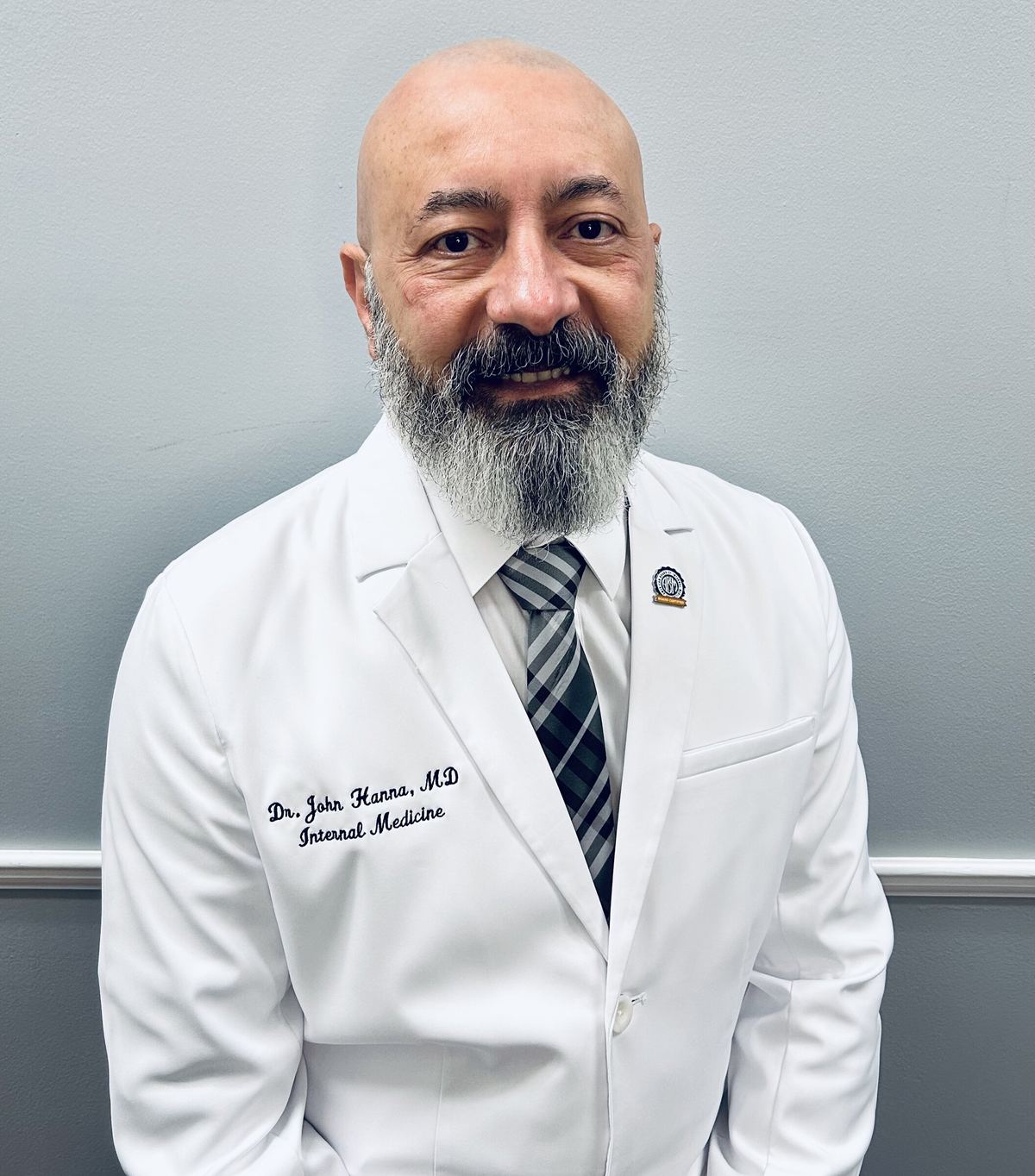
Internal Medicine MD
16,000+ Facebook followers in three months, up from about 400
Digital infrastructure and a social content system for a two location internal medicine practice in Hudson and Trinity, Florida.

Healthcare public relations
Shekinah Global Healthcare Foundation
12+ media and wire pickups, including AP News and a FOX 13 broadcast feature
A surgeon led press campaign that built national coverage for a nonprofit surgical mission ahead of a fixed departure date.
Podiatry
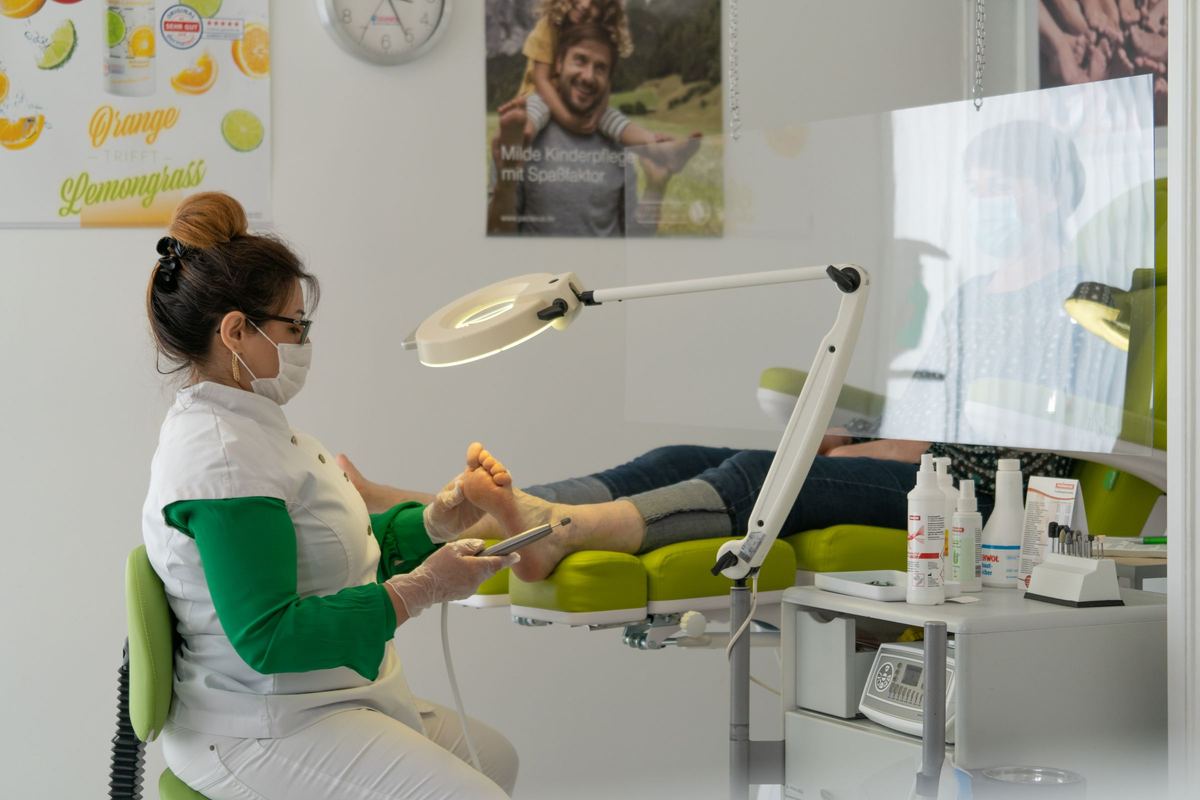
American Foot & Ankle Centers
Nov 2026 engagement start: full website rebuild and growth program
A podiatry practice in Ocala, Florida, beginning a complete website rebuild and patient growth program with Velocity.
Specialties
Specialties we support with healthcare PPC

Behavioral Health
Stigma-aware, privacy-conscious marketing for mental health and substance use treatment providers.

Orthopedics
Orthopedic marketing for surgical and non-surgical service lines, sports medicine and the referral relationships that feed them.
Plastic Surgery
Plastic surgery marketing designed for long research cycles, consultation conversion and careful, compliant claims.

Multi-Location Practices
Marketing systems for medical groups with many locations: brand governance, location pages, Google Business Profiles at scale and budget models.
Services
Services that work alongside healthcare PPC
Google Ads
Hands on Google Ads account management for medical practices: audits, campaign setup, assets, conversion tracking and budget pacing.
Paid Social
Paid advertising on Facebook, Instagram and other social platforms for healthcare practices, planned around platform health rules and patient privacy.
Conversion Rate Optimization
Testing and refinement of forms, calls, booking flows and landing pages so more of your existing website traffic becomes scheduled patients.
Patient Acquisition
Full funnel patient acquisition marketing that connects demand, conversion, intake and capacity so growth is measured in first visits, not clicks.
Analytics and Reporting
Privacy-aware measurement for healthcare marketing: GA4, Tag Manager, call tracking, CRM connections, attribution and dashboards leaders can use.
FAQ
Healthcare PPC FAQs
What does a healthcare PPC agency do?
A healthcare PPC agency plans and runs pay per click advertising for health organizations: setting budgets by service line and location, choosing search engines and campaign types, writing policy compliant ads, building landing pages and tracking calls and forms to appointments. It also keeps ads within health advertising rules.
How should a paid search budget be split across locations and service lines?
By value and capacity. Service lines with higher patient value and open schedules get priority, and each location gets budget in proportion to the demand in its own service area. We start with a test allocation, compare cost per qualified inquiry across locations and services, and shift budget monthly. Our patient acquisition cost calculator helps frame the math.
Can we use remarketing for healthcare ads?
Google restricts advertiser curated audiences, including remarketing and Customer Match, for health related ads under its personalized advertising policy. We plan programs around search intent and location instead, and confirm current platform rules before launch.
Do you run Microsoft Advertising as well as Google Ads?
Yes, where it fits the audience and budget. Microsoft Advertising often reaches a different mix of searchers and can be a cost efficient addition once the Google program is stable.
Do we need LegitScript certification?
Only certain categories require it, such as addiction recovery services, online pharmacies and telemedicine in some regions. We review your services against current Google and Microsoft policies and tell you what applies before campaigns are built.
How do you track appointments from ads?
We track calls, forms and booking events as conversions, and where your scheduling or CRM system allows, we compare inquiries with booked visits using aggregate reporting. We avoid sending sensitive health information to ad platforms. See our analytics and reporting service for more.
How quickly does medical PPC produce inquiries?
Ads can begin serving soon after approval, and early inquiries often arrive in the first weeks. Performance typically improves over the first few months as search term data, negatives and bidding mature.
Sources and further reading
- Google Advertising Policies Help: Healthcare and medicines
- Google Advertising Policies Help: Restricted targeting in personalized advertising
- Microsoft Advertising: Bing Ads to require certification for addiction services
External sources are provided for context. Marketing guidance on this site is not legal advice.
Next step
Ready to put healthcare PPC to work for your practice?
Tell us what you are running today and what you want healthcare PPC to deliver. We will share what we see in your market and how we would measure progress.