
Pain Management Marketing
Pain Management Marketing Built on Referrals and Trust
Healthcare Marketing by Velocity helps pain management practices grow through the two paths patients actually take: a referral from another physician and a search by a patient who has been living with pain for a long time. The work emphasizes accurate procedure information, respectful messaging and advertising that stays within platform and regulatory limits.

- Referral programs for primary care, orthopedic and spine partners
- Paid search built around current platform policies
- Condition and procedure content without outcome promises
- Intake tracking from inquiry to first visit
How patients choose
How patients choose a pain management practice
As a pain management marketing agency, we work within some of the strictest advertising rules in healthcare. Our pain management marketing services combine referral development with primary care, orthopedic and spine practices, pain management SEO for conditions and interventional procedures, carefully reviewed pain management advertising, and patient acquisition for pain management practices tracked from referral or search to a completed evaluation.
Many pain patients arrive by referral. A primary care physician, orthopedic surgeon, spine surgeon or physical therapist recommends a pain specialist when conservative care has not provided enough relief. Even then, patients usually look the practice up before calling. They check reviews, confirm insurance, look at the physician's training and decide whether the office feels trustworthy.
Self referred patients are often tired and frustrated. They may have tried several treatments already and are wary of anything that sounds like a sales pitch. They respond to calm, specific information: what the practice treats, which procedures it offers, what a first visit involves, and how the physicians approach care. Clear language about insurance and prior authorization also helps, because coverage questions are a common reason patients hesitate.
It also helps to be clear about the type of practice. An interventional practice focused on injections, nerve ablation and neuromodulation attracts different patients than a practice centered on medication management. Accurate positioning brings the right patients and reduces mismatched inquiries.

Measurement
The pain management patient path, measured
Growth becomes predictable when each stage is visible. We connect search, website, phones and scheduling so you can see where patients come from and where they slip away.
Pain management services with the most room to grow
Priorities depend on your physicians, procedure suite capacity and payer contracts. These are the areas pain practices most often build plans around.
Interventional procedures
Epidural steroid injections, facet and medial branch procedures and radiofrequency ablation, described accurately with appropriate patient criteria.
Neuromodulation
Spinal cord stimulation and related therapies involve long evaluation and trial processes, so content and follow up need to support patients over time.
Condition based demand
Back pain, neck pain, sciatica, neuropathy and joint pain searches that lead patients toward specialist evaluation.
Physician referrals
Relationships with primary care, orthopedics, spine surgery and physical therapy, supported by easy referral processes and clear communication back.
Workers compensation and injury cases
Where the practice accepts them, clear information for patients and case managers about what the practice handles.
Multidisciplinary care
Practices that combine procedures with physical medicine, behavioral support or other services can describe a coordinated approach.
Pain management search behavior
Pain searches usually start with the condition, not the specialty. Patients search for help with lower back pain, sciatica or neck pain, then move to queries such as pain management doctor near me or a procedure name plus a city. Many also research specific procedures before or after a referral, asking what an injection involves, how ablation works or whether a stimulator might be an option.
That pattern rewards a practice that owns both layers: condition pages that explain when a specialist evaluation may make sense, and procedure pages that explain what the procedure is, who it may be appropriate for and what to expect. Our physician practice SEO builds that structure around the procedures your physicians actually perform.
Typical pain management queries
- Pain management doctor near me
- Back or neck pain specialist in a city
- Epidural steroid injection or nerve ablation
- Spinal cord stimulator doctor
- Pain clinic that accepts a specific plan
- Sciatica or neuropathy treatment options
Pain management local SEO requirements
Each office needs a complete Google Business Profile with accurate categories, current hours, services that reflect the procedures offered, and real photos of the office. Practices with an in office procedure suite or an affiliated surgery center should make clear where procedures take place. Individual physician profiles should match the office information, and listings across health directories should be consistent.
Location pages should state which physicians practice at each office and which procedures are available there, since many practices perform some procedures at only one site. Reviews remain a strong local signal, and a steady flow of recent reviews from patients across each office helps the profile reflect current care.
Opioid related advertising is restricted
Google does not allow ads promoting or selling prescription opioid painkillers, with limited exceptions, and it restricts the promotion of recovery oriented addiction services. Pain practices should not build paid campaigns around opioid prescribing or medication access, and ad copy and landing pages should avoid wording that could be read that way. Velocity builds campaigns around evaluations, conditions and procedures, and reviews keywords, copy and landing pages against current platform policy before launch. Policies change, so they are rechecked regularly. This is marketing guidance, not legal advice.
See what pain management marketing could do for your pain management practice
Schedule a consultation about your pain management practice. We will talk through your service lines, your local competition and where new patient demand is most available.
Paid media considerations for pain management advertising
Paid search can bring in patients actively seeking evaluation, especially for interventional procedures and condition searches with clear local intent. Campaigns work best when organized by condition and procedure, with negative keywords that filter out medication seeking queries and searches unrelated to the services offered. Landing pages should match the ad closely and explain the evaluation process rather than promise relief.
Claims need particular care. Pain is subjective and outcomes vary, so copy should never promise that a procedure will eliminate pain or avoid surgery. Phrases such as may help, designed to and options to discuss with a physician are more accurate. Paid social can support awareness and remarketing, but health related targeting is limited on major platforms, and tracking pixels on condition pages raise privacy questions that should be resolved before launch. See our healthcare paid search strategy for how campaigns are planned.
Pain management reputation considerations
Pain practice reviews can be emotional. Patients write about relief, about frustration when a treatment did not help as hoped, and sometimes about prescribing decisions. A practice cannot control those experiences, but it can make sure the full range of patients is invited to share feedback, which tends to give a more representative picture.
Responses require discipline. Never confirm that the reviewer is a patient, never discuss treatment or medications, and never argue. A brief, respectful reply that invites the person to contact the office is the right pattern, especially for reviews involving medication policy. Our patient review management sets up request workflows and response guidelines your team can follow.
Pain management website conversion needs
A pain management website should help two groups at once. Patients want to know what the practice treats, what a first visit involves, which insurance plans are accepted and whether they need a referral. Referring offices want a fast way to send a referral, the fax or portal details, and confidence that the patient will be contacted promptly.
Practical elements matter: a dedicated referring provider page, a new patient page that explains intake paperwork and imaging records, accessible design for patients who may be uncomfortable sitting at a screen for long, and forms that collect only what is needed. Privacy-aware form handling and call tracking, with Business Associate Agreements where required, let the practice measure inquiries without exposing sensitive information. Our conversion improvement work focuses on reducing friction in that path.
Pain management content opportunities
Procedure explainers
Clinician reviewed pages on each procedure: what it is, how it is performed, typical preparation and recovery considerations, and appropriate expectations.
Condition pages
Pages for common pain conditions that explain when evaluation by a pain specialist may be worth discussing with a physician.
Referring provider resources
Concise pages for primary care and orthopedic offices describing services, referral criteria and how to send records.
Physician video
Short clips in which your physicians explain their approach to care, which can help anxious patients feel prepared for a first visit.
The pain management patient journey
Persistent pain
Pain continues after initial treatment, prompting a conversation with a physician or a search for options.
Referral or research
A referring physician recommends a specialist, or the patient researches conditions, procedures and nearby practices.
Verification
The patient checks reviews, insurance, referral requirements and physician credentials.
First contact and intake
A call, form or referral leads to scheduling, records collection and any prior authorization.
Evaluation
The initial consultation sets a care plan, which may include procedures, therapy or coordination with other providers.
Ongoing care
Follow up visits, repeat procedures where appropriate and communication back to the referring physician.
Pain management marketing KPIs
- New patient inquiries by source
- Calls, forms and referrals attributed to search, maps, paid media and referring offices.
- Referral volume by referring practice
- Referrals received from each partner office over time, to guide outreach.
- Inquiry to scheduled evaluation rate
- The share of inquiries that become scheduled first visits, including those delayed by authorization.
- Procedure consultations
- Evaluations for interventional and neuromodulation services, tracked by procedure category.
- Cost per scheduled evaluation
- Paid media spend divided by scheduled first visits from paid campaigns.
- Review volume and rating by office
- New reviews and average rating per location and physician.
Proof
Client results to review before choosing a pain management marketing partner
Published client work with the time period and the work behind every figure. Use it to judge how we would approach pain management marketing for your pain management practice.

Primary care
Internal Medicine MD
16,000+ Facebook followers in three months, up from about 400
Digital infrastructure and a social content system for a two location internal medicine practice in Hudson and Trinity, Florida.

Healthcare public relations
Shekinah Global Healthcare Foundation
12+ media and wire pickups, including AP News and a FOX 13 broadcast feature
A surgeon led press campaign that built national coverage for a nonprofit surgical mission ahead of a fixed departure date.
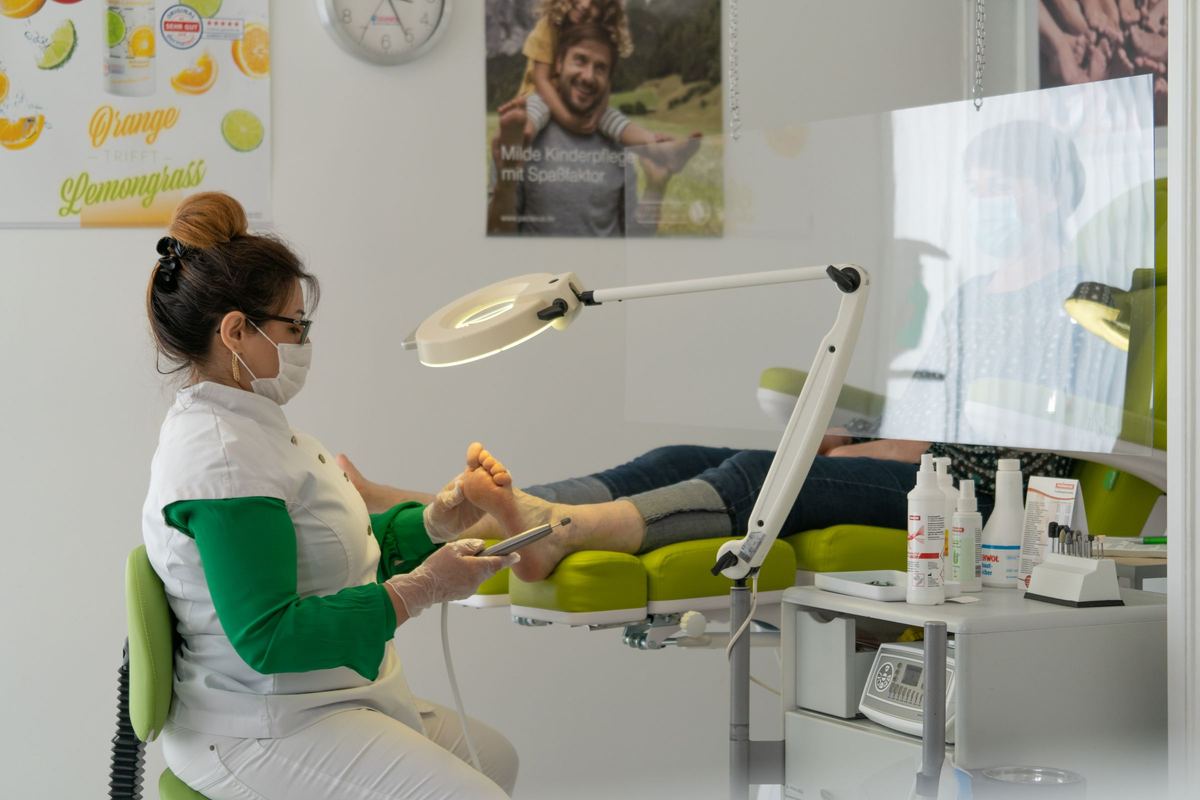
Podiatry
American Foot & Ankle Centers
Nov 2026 engagement start: full website rebuild and growth program
A podiatry practice in Ocala, Florida, beginning a complete website rebuild and patient growth program with Velocity.
Services
Pain management marketing services
Medical SEO
Search optimization for physicians and independent practices, built around provider pages, procedures, conditions and clinical credibility.
Healthcare PPC
Paid search strategy across Google and Microsoft Ads for healthcare organizations and practices, measured by qualified calls and appointments.
Reputation Management
Review generation, monitoring and HIPAA-conscious response workflows that help practices earn an accurate, current reputation on the platforms patients check.
Conversion Rate Optimization
Testing and refinement of forms, calls, booking flows and landing pages so more of your existing website traffic becomes scheduled patients.
Healthcare Content Marketing
Editorial strategy, clinically reviewed content and repurposing workflows that build expertise signals and patient trust across search and social.
Specialties
Specialties related to pain management

Orthopedics
Orthopedic marketing for surgical and non-surgical service lines, sports medicine and the referral relationships that feed them.

Physical Therapy
Physical therapy marketing that brings in new evaluations from physicians and direct searches, then supports plan of care completion and reactivation.
FAQ
Pain management marketing FAQs
What should a pain management practice look for in a marketing agency?
'Pain management valuable patient and service opportunities'
Can pain management practices advertise on Google?
Yes, for evaluations, conditions and procedures. Google does not allow ads promoting prescription opioid painkillers, with limited exceptions, so campaigns should be built around the clinical services the practice offers and reviewed against current policy.
How do you avoid overpromising in pain management marketing?
We describe what procedures are and who they may be appropriate for, use hedged language such as may help, and avoid statements that a treatment will eliminate pain or prevent surgery. Your physicians review clinical content before it is published.
Should we focus on referrals or direct patient acquisition?
Most pain practices benefit from both. Referrals often bring well matched patients, while search and maps visibility reaches patients looking on their own and supports referred patients who check the practice before calling.
What is pain management SEO, in practical terms?
It is building accurate condition and procedure pages, strong Google Business Profiles for each office and consistent physician listings, so the practice appears when patients and referring offices search for the care you provide.
How do you handle tracking on sensitive condition pages?
We take a privacy-aware approach: limiting third party tracking on sensitive pages, configuring analytics and forms appropriately, and using vendors that will sign Business Associate Agreements where required. Your compliance lead should review the setup. This is marketing guidance, not legal advice.
Do you work with practices that offer medication management?
Yes. Marketing for those services emphasizes evaluation and comprehensive care planning and avoids messaging about prescription access, in line with platform policies.
Sources and further reading
External sources are provided for context. Marketing guidance on this site is not legal advice.
Next step
Ready to grow your pain management practice?
Tell us about your pain management practice: the services you want to grow, your locations and how patients find you today. We will show you where pain management marketing can add the most new patients and how we would measure it.