
Cardiology Marketing
Cardiology Marketing for Referrals and Patient Growth
Healthcare Marketing by Velocity helps cardiology practices grow on two tracks at once: deeper relationships with the primary care physicians who send most new patients, and clear, credible visibility for the preventive, vascular and vein services patients increasingly seek directly. Every plan is built around careful claims and measured by booked new patient visits.

- Referral growth and direct demand in one plan
- Content for older patients and their caregivers
- Claims reviewed by your cardiologists
- Tracking from referral or search to booked visit
How patients choose
How patients and physicians choose a cardiology practice
As a cardiology marketing agency, we start with referrals, because most cardiology patients still arrive through a primary care physician. Our cardiology marketing services add direct demand on top of that base: cardiology SEO for preventive, vein and rhythm care, careful cardiology advertising for self referred services, physician liaison support, and patient acquisition for cardiologists tracked by referral source and service line.
Most new cardiology patients arrive through a referral. A primary care physician notices an abnormal ECG, a murmur, uncontrolled blood pressure, palpitations or chest discomfort and sends the patient to a cardiologist they know and trust. In that moment, the referring office is the decision maker. They choose based on how quickly the practice can see the patient, how easy the referral process is, how reliably consult notes come back, and whether the cardiologist is affiliated with the hospital system the patient already uses.
The patient still has a voice. Many look up the cardiologist they were referred to, read reviews, check insurance participation and confirm the office location before they call. Older patients frequently make this decision with an adult child or caregiver, who often does the research online and makes the phone call.
A growing share of cardiology demand is more direct. Patients with a family history of heart disease look for preventive cardiology or a heart health assessment. Patients with leg pain, swelling or visible varicose veins search for a vein clinic or vascular specialist without ever asking their primary care doctor. These service lines behave much more like consumer healthcare and reward a strong search and website presence.

Integrated marketing
How cardiology marketing channels work together
Patients move between search, maps, social, reviews and your website before they call. We plan the channels together so each one supports the others.
High value cardiology patient and service opportunities
Priorities depend on your physicians, subspecialties, testing capacity and hospital affiliations. These are the areas cardiology groups most often build plans around.
Primary care referral growth
Structured outreach to referring practices, supported by liaison materials, referral process clarity and consistent communication about access.
Preventive cardiology
Risk assessment and prevention programs for patients with family history, high cholesterol or other risk factors who want a proactive plan.
Vascular and vein services
Vein evaluation, varicose vein treatment and peripheral vascular services, where patients often self refer and research online first.
Diagnostic testing
Echocardiography, stress testing, cardiac monitoring and imaging, which can be promoted to referring offices as an access and convenience advantage.
Electrophysiology and rhythm care
Where offered, visibility for arrhythmia evaluation and rhythm management, which patients and referrers often seek by subspecialty.
New offices and new physicians
Launch plans that introduce a new location or cardiologist to nearby primary care practices and to patients in the surrounding area.
Cardiology search behavior
Cardiology searches fall into a few clear groups. Navigational searches come from referred patients looking up a specific physician or practice name. Local access searches include a cardiologist near me, a cardiologist who accepts a named insurance plan, or a heart doctor in a nearby city. Condition and test searches cover topics such as AFib, high blood pressure, heart murmurs, stress tests and echocardiograms, often typed by caregivers trying to understand what a referral means.
Vein and vascular searches are more consumer driven. Patients search symptoms, treatment names, insurance coverage and recovery questions, and they compare clinics before booking.
Strong cardiology SEO maps each intent to its own well structured page: physician profiles for navigational searches, location pages for local access, clinician reviewed education for condition and test questions, and dedicated service pages for vein and preventive programs. Our physician practice SEO work begins with that intent map.
Typical cardiology queries
- A referred physician or practice by name
- Cardiologist accepting a specific insurance plan
- Heart doctor near a named city
- What a stress test or echocardiogram involves
- Vein clinic or varicose vein treatment nearby
- Preventive cardiology or heart risk assessment
Local SEO requirements for cardiology
Each office, and each testing or vein location that accepts patients, needs its own complete Google Business Profile with accurate categories, hours, phone number and services. Cardiologist is typically the primary category for clinic locations, with secondary categories added only where they accurately describe services offered at that address. Individual cardiologist listings should stay consistent with the office profile so patients do not land on outdated information.
Location pages should state which physicians practice there, which tests are performed on site, parking and accessibility details, and hospital affiliations. Listings across health directories, insurance directories and hospital physician finders should match the practice website, since referred patients often find the practice through those sources first. For multi-office groups, our local search program keeps every location aligned.
Paid media considerations for cardiology advertising
Paid search is rarely the main engine for general cardiology, because so much demand starts with a referral. It is often most useful for service lines patients choose directly: vein care, vascular screening, preventive cardiology and new office launches. Campaigns organized by service line let budget follow appointment capacity.
Healthcare advertising carries real constraints. Advertising platforms limit how health conditions can be referenced and how audiences can be targeted, and messaging should never imply a diagnosis or promise an outcome. Website tracking on cardiology pages needs particular care because condition and test pages can reveal sensitive health interests. Tracking tools, pixels and vendors should be configured appropriately, with Business Associate Agreements where required. Velocity takes a HIPAA-conscious, privacy-aware approach to measurement; this is marketing guidance, not legal advice. Our healthcare paid search approach explains how campaigns are structured and measured.
See what cardiology marketing could do for your cardiology practice
Schedule a consultation about your cardiology practice. We will talk through your service lines, your local competition and where new patient demand is most available.
Careful claims and no medical advice
Cardiology content should educate without diagnosing. Symptom pages explain when to talk with a physician and what an evaluation involves, and they direct readers with urgent symptoms such as chest pain to emergency services. Outcome language stays hedged, technology claims stay within cleared or approved uses, and clinical content is reviewed by your cardiologists before it is published.
Cardiology reputation considerations
Cardiology reviews often mention how thoroughly the physician explained results, how long the wait was for an appointment or test, and how the front desk handled scheduling and insurance questions. Caregivers frequently write reviews on behalf of a parent. A steady review request process, timed after a completed visit, helps the practice present a current and balanced picture to referred patients who look the physician up before calling.
Responses should be professional and should never confirm that a reviewer is a patient or discuss any clinical detail. Our review and reputation programs are built with these privacy limits in mind.
Cardiology website conversion needs
A cardiology website serves three audiences. Referred patients and caregivers want to confirm insurance, find the right office, understand what to expect at the first visit and request an appointment easily. Self referring patients researching vein or preventive services want clear service explanations, physician credentials and a simple booking path. Referring offices want a fast, reliable way to send a referral and a direct contact for questions.
Conversion priorities typically include a visible phone number that tracks calls by source, an appointment request form that works well on mobile, a dedicated page for referring providers, readable type and high contrast for older visitors, and clear new patient information. Our websites for physician practices are designed around these paths.
Content opportunities for cardiology
Test and procedure explainers
Plain language pages on what a stress test, echocardiogram or cardiac monitor involves, how to prepare and what happens after. These help referred patients and caregivers arrive prepared.
Condition education
Clinician reviewed pages on common cardiovascular conditions that explain when to see a cardiologist, without offering individual medical advice.
Referring physician communications
Periodic updates on new physicians, access improvements, new testing capabilities and referral process changes, delivered by liaison or email.
Physician profiles and video
Thorough cardiologist profiles with training, subspecialty interests and short introductory videos that help patients feel comfortable before the first visit.
The cardiology patient journey
Trigger
A primary care finding, a symptom, a family history concern or visible vein symptoms prompts the need for a cardiologist.
Referral or search
The primary care office sends a referral, or the patient or caregiver begins searching for a cardiologist or vein clinic directly.
Verification
The patient or caregiver looks up the physician, reads reviews, checks insurance participation and confirms the office location.
Scheduling
A phone call or online request leads to a booked consultation or test, ideally with prompt follow through on referrals received.
Visit and testing
The first visit and any testing shape the patient experience and the consult note returned to the referring physician.
Ongoing care and loop closure
Follow up visits continue care, and timely communication back to the referring office strengthens the relationship for future referrals.
Cardiology marketing KPIs
- New patient visits by source
- Booked new patient appointments attributed to referral, organic search, paid media or direct, by location and physician.
- Referral volume by referring practice
- Referrals received per referring office over time, used to guide liaison priorities.
- Referral to scheduled rate
- The share of referrals received that become scheduled appointments, along with time to schedule.
- Self referred service line inquiries
- Calls and forms for vein, vascular and preventive services by channel.
- Cost per booked consultation
- Paid media spend divided by booked consultations, tracked by service line.
- Review volume and rating by physician
- New reviews per month and average rating across physicians and offices.
Proof
Client results to review before choosing a cardiology marketing partner
Published client work with the time period and the work behind every figure. Use it to judge how we would approach cardiology marketing for your cardiology practice.
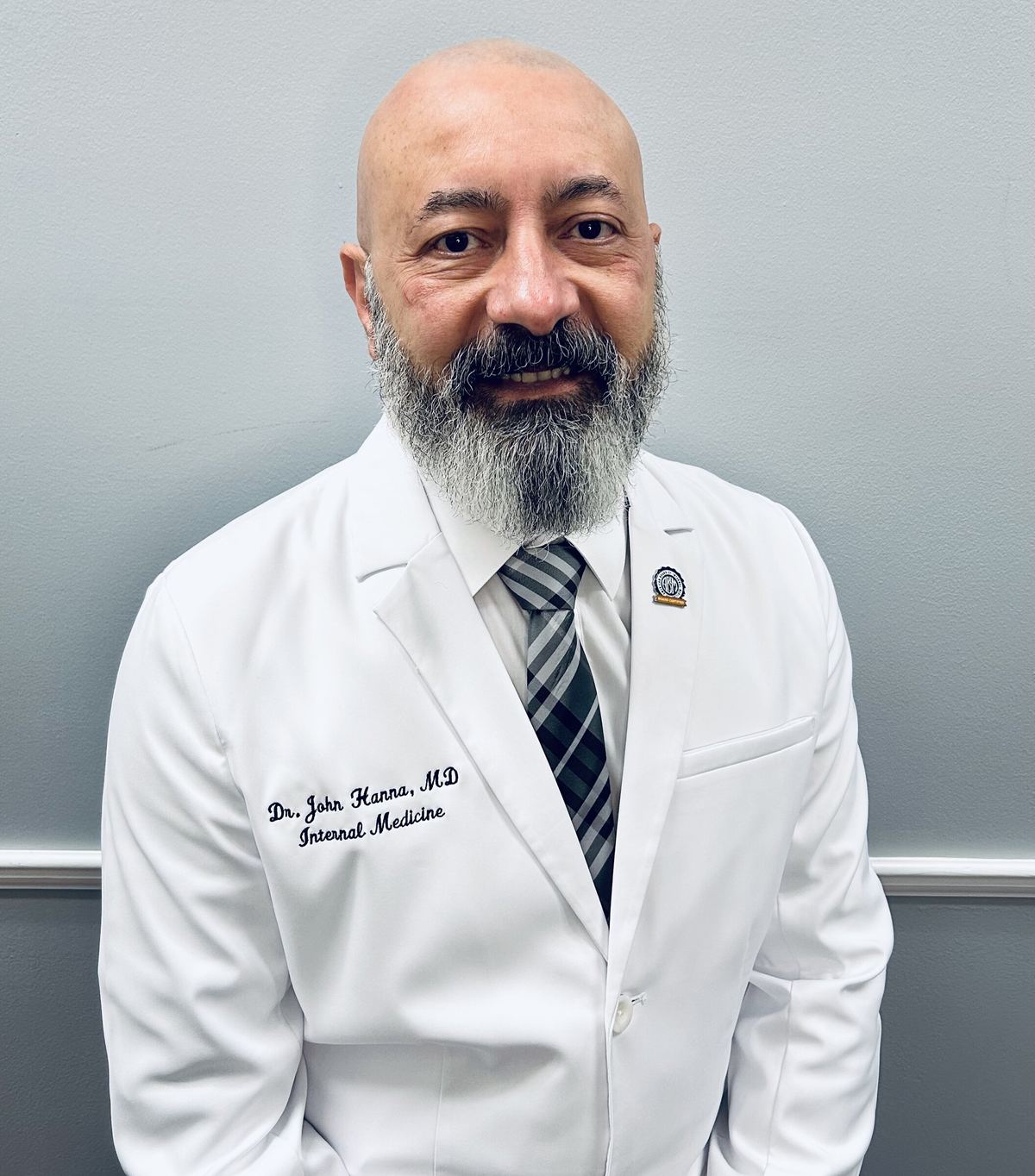
Primary care
Internal Medicine MD
16,000+ Facebook followers in three months, up from about 400
Digital infrastructure and a social content system for a two location internal medicine practice in Hudson and Trinity, Florida.

Healthcare public relations
Shekinah Global Healthcare Foundation
12+ media and wire pickups, including AP News and a FOX 13 broadcast feature
A surgeon led press campaign that built national coverage for a nonprofit surgical mission ahead of a fixed departure date.

Podiatry
American Foot & Ankle Centers
Nov 2026 engagement start: full website rebuild and growth program
A podiatry practice in Ocala, Florida, beginning a complete website rebuild and patient growth program with Velocity.
Services
Cardiology marketing services
Medical SEO
Search optimization for physicians and independent practices, built around provider pages, procedures, conditions and clinical credibility.
Local SEO
Google Business Profile, map visibility, listings, reviews and location pages for medical practices and individual practitioners.
Healthcare PPC
Paid search strategy across Google and Microsoft Ads for healthcare organizations and practices, measured by qualified calls and appointments.
Reputation Management
Review generation, monitoring and HIPAA-conscious response workflows that help practices earn an accurate, current reputation on the platforms patients check.
Medical Website Design
Websites for physician practices with clear provider bios, service pages, easy booking, accessible design and fast mobile performance.
Analytics and Reporting
Privacy-aware measurement for healthcare marketing: GA4, Tag Manager, call tracking, CRM connections, attribution and dashboards leaders can use.
Specialties
Specialties related to cardiology


FAQ
Cardiology marketing FAQs
What does a cardiology marketing agency do?
It supports referral relationships with clear physician facing information and liaison tools, builds search visibility for services patients look for on their own, runs careful advertising for self referred services such as vein care and screenings, and reports new patients by referral source and service line.
If most cardiology patients come from referrals, why invest in marketing?
Referred patients still look the practice up before calling, and referring physicians respond to access and communication. Marketing supports both. It also builds direct demand for service lines such as vein care and preventive cardiology, where patients often choose a provider on their own.
How does marketing support a physician liaison program?
We help create liaison materials, referring provider pages, simple referral instructions and periodic updates about new physicians or access. We also help track referral volume by practice so liaisons can focus their time where relationships can grow.
Should vein and vascular services have their own website?
Usually a dedicated section within the main cardiology site works well, because it carries the credibility of the full practice. A separate brand can make sense in some markets, and we will walk through the tradeoffs with you.
Who reviews clinical content?
Your cardiologists or a designated clinical reviewer approve condition, test and procedure content before publishing. We write in plain language for patients and caregivers and avoid individual medical advice or outcome promises.
Is cardiology advertising subject to special restrictions?
Yes. Advertising platforms restrict how health conditions are referenced and how audiences are targeted, and website tracking on health pages requires careful configuration. We plan campaigns within current platform policies and a privacy-aware tracking setup. This is marketing guidance, not legal advice.
Next step
Ready to grow your cardiology practice?
Tell us about your cardiology practice: the services you want to grow, your locations and how patients find you today. We will show you where cardiology marketing can add the most new patients and how we would measure it.