
Ophthalmology Marketing
Ophthalmology Marketing for Procedures and Referrals
Healthcare Marketing by Velocity helps ophthalmology practices plan for three distinct sources of growth: elective refractive patients who research for months, cataract patients who often decide with family, and medical and surgical patients referred by optometrists and other physicians. Each has its own message, channel mix and measurement.

- Separate plans for refractive, cataract and medical eye care
- Accessible content for older patients and family decision makers
- Device and laser language kept within approved indications
- Support for optometry co-management relationships
How patients choose
How patients choose an ophthalmologist
As an ophthalmology marketing agency, we separate elective procedures from medical eye care because the patients, payers and timelines are different. Our ophthalmology marketing services include ophthalmology SEO for cataract, LASIK, glaucoma and retina care, ophthalmology advertising for elective procedures, optometry co-management support, and patient acquisition for ophthalmologists measured by consultations and surgeries scheduled.
Ophthalmology patients make very different decisions depending on why they need care. A LASIK or refractive candidate is usually a working adult choosing an elective, self pay procedure. They compare surgeons, technology, pricing, financing and reviews, and they often attend more than one consultation before deciding.
Cataract patients are typically older and frequently involve an adult child or spouse in the decision. Many arrive through their optometrist. The research focuses on the surgeon's experience, the lens options available, what is covered by insurance or Medicare and what is an out of pocket upgrade, and the logistics of surgery day and transportation.
Medical eye care patients, including those with glaucoma, diabetic eye disease or macular degeneration, are usually referred and need ongoing care. They choose based on insurance, location, availability and the confidence their referring doctor has in the practice. Retina patients in particular tend to arrive through referral networks rather than search.

Paid search
Ophthalmology ads built around procedure intent
Every campaign starts from the searches that signal a patient ready to book, then matches the ad and landing page to that intent and tracks the calls and forms it produces.
Sponsored
yourpractice.com › appointments
Accepting New Patients | Your Practice
Evaluation with a specialist. Online booking, most major insurance plans, convenient locations.
Search term reviewed
Landing page matched to intent
Calls and forms tracked
High value ophthalmology procedures and services
Priorities depend on your surgeons, subspecialists, surgery center access and referral network. These are the areas ophthalmology practices most often build plans around.
Cataract surgery
Patient education on the procedure and lens options, including premium lens upgrades where offered, with clear explanation of what insurance covers.
LASIK and refractive surgery
LASIK, PRK, SMILE where offered and lens based procedures for patients who are not laser candidates.
Glaucoma care
Long term management and procedures, with referral relationships at the center.
Retina services
Macular degeneration, diabetic retinopathy and retinal detachment care, driven by optometrist and physician referrals.
Dry eye and cornea
Dry eye treatment programs and corneal care, often a self pay or mixed coverage service line with strong search interest.
Oculoplastic and pediatric care
Eyelid surgery and pediatric ophthalmology where offered, each with its own referral sources and audiences.
Ophthalmology search behavior
Refractive searches are research heavy. Patients search LASIK cost, LASIK versus PRK, whether they are a candidate, recovery time and financing, often over weeks. Cataract searches often come from family members as well as patients: what to expect from cataract surgery, choosing a lens and how long recovery takes. Medical searches are condition and location driven, such as a glaucoma specialist nearby or a retina doctor who accepts a specific plan.
A practice that answers these questions on separate, well organized pages can help each audience find the right path. Our clinical content programs build procedure and condition pages reviewed by your surgeons.
Typical ophthalmology queries
- LASIK cost and candidacy questions
- Cataract surgeon near me
- Premium lens options for cataract surgery
- Glaucoma or retina specialist in a city
- Dry eye treatment nearby
- Eye doctor that accepts a specific plan
Ophthalmology local SEO requirements
Each office needs a complete Google Business Profile with ophthalmologist as the primary category and accurate secondary categories for services such as LASIK where they are offered. Practices that operate a refractive center or an ambulatory surgery center should make clear where consultations and procedures take place. Hours, services, accessibility details and parking information matter more than usual for older patients and the family members who drive them.
Individual surgeon and subspecialist profiles should be consistent with the office listings. Location pages should state which doctors and services are available at each office, since subspecialty care is often concentrated at one or two sites.
Device, laser and lens claims must match approved indications
Lasers, intraocular lenses and many ophthalmic devices are regulated by the FDA, and marketing claims should stay within the approved or cleared indications for the specific devices the practice uses. Copy should name devices accurately, avoid promising outcomes such as freedom from glasses, and present risks and candidacy honestly. Refractive advertising that mentions price also needs clear, accurate terms. Velocity writes procedure content in that framework and recommends review by your surgeons and compliance lead. This is marketing guidance, not legal advice.
See what ophthalmology marketing could do for your eye care practice
Schedule a consultation about your eye care practice. We will talk through your service lines, your local competition and where new patient demand is most available.
Paid media considerations for ophthalmology advertising
Paid search is often most productive for refractive surgery and, in many markets, for cataract surgery, where intent is clear and the value of a procedure can support the cost per click. Campaigns should be organized by procedure, with landing pages that answer candidacy, cost and financing questions and offer a simple way to book a consultation or a candidacy screening.
Paid social can reach refractive candidates and the adult children of cataract patients, using educational creative and remarketing to people who visited procedure pages. Health related targeting is limited on major platforms, so audiences are built from broader interests, geography and first party engagement handled with privacy in mind. Medical eye care is usually better served by local SEO and referral support than by paid media. Our Google Ads management for eye care practices applies this structure.
Optometry co-management and referral relationships
For many ophthalmology practices, optometrists are the most important source of cataract, glaucoma and retina patients. Marketing can support those relationships with a dedicated referring doctor section on the website, easy referral submission, clear communication about co-management arrangements, and timely reports back to the referring doctor. Outreach materials should be professional and factual. Co-management arrangements also carry their own regulatory considerations, which the practice's advisors should review.
Ophthalmology reputation and website conversion
Ophthalmology reviews often mention wait times in clinic, how well the surgeon explained options, and how smoothly surgery day went. Inviting both surgical and medical patients to share feedback helps the profile reflect the whole practice. Responses should never confirm that someone is a patient or discuss their care. Our online reputation programs include response guidelines built around that rule.
The website should be designed with older visitors in mind: larger readable text, strong contrast, simple navigation and prominent phone numbers, since many cataract patients and their families prefer to call. Refractive visitors want a self screening quiz or candidacy information, pricing and financing details where the practice publishes them, and online consultation booking. Separate conversion paths for refractive, cataract and medical appointments make it possible to measure each one. See our physician practice websites for how these paths are planned.
Ophthalmology content opportunities
Cataract guides for patients and families
What to expect before, during and after surgery, how lens options differ, and practical information for family members.
Refractive candidacy and cost content
Explanations of procedure options, candidacy factors and what affects pricing, without outcome promises.
Condition pages
Glaucoma, macular degeneration, diabetic eye disease and dry eye pages that encourage appropriate evaluation.
Referring doctor resources
Concise pages for optometrists covering services, referral steps and how the practice communicates.
The ophthalmology patient journey
Awareness
Vision changes, an optometrist recommendation, a diagnosis or interest in reducing reliance on glasses starts the process.
Research
Patients and family members research procedures, surgeons, coverage and cost.
Consultation request
A call, online booking or referral leads to a consultation or candidacy evaluation.
Evaluation and decision
Testing and a surgeon conversation define options, including lens choices or refractive procedure type.
Procedure and recovery
Surgery day logistics and follow up visits, sometimes shared with the referring optometrist.
Ongoing relationship
Medical patients continue care, and satisfied patients often refer family members.
Ophthalmology marketing KPIs
- Refractive consultations booked
- Consultation and candidacy requests by procedure and channel.
- Consult to surgery rate
- The share of refractive and cataract consultations that proceed to surgery.
- Premium lens selection rate
- Where offered, the share of cataract patients who choose an upgraded lens option.
- Referrals by referring practice
- New patient referrals from each optometry and physician partner over time.
- Cost per consultation
- Paid media spend divided by booked consultations, tracked by procedure.
- Review volume and rating by office
- New reviews and average rating per location and surgeon.
Proof
Client results to review before choosing a ophthalmology marketing partner
Published client work with the time period and the work behind every figure. Use it to judge how we would approach ophthalmology marketing for your eye care practice.
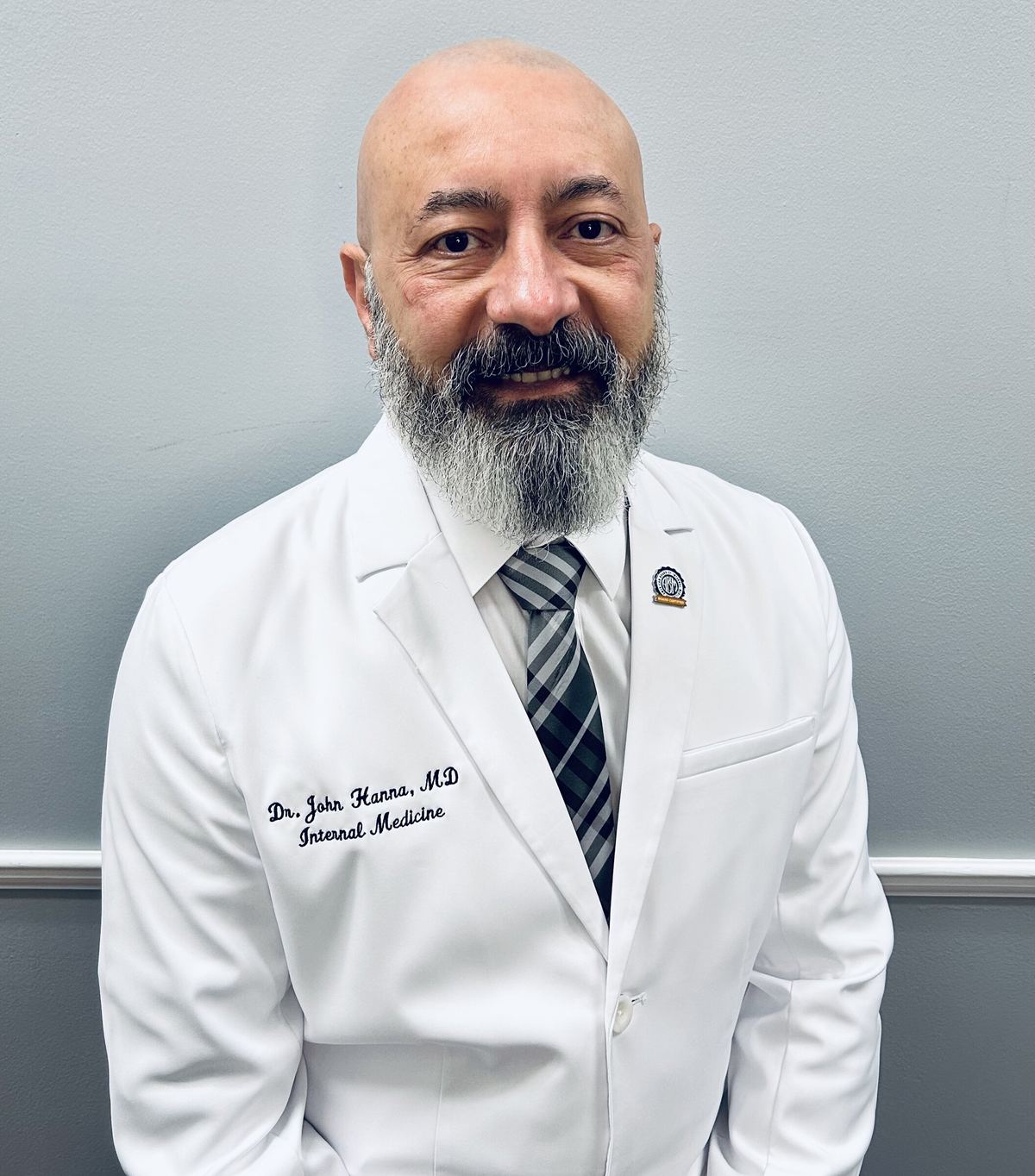
Primary care
Internal Medicine MD
16,000+ Facebook followers in three months, up from about 400
Digital infrastructure and a social content system for a two location internal medicine practice in Hudson and Trinity, Florida.

Healthcare public relations
Shekinah Global Healthcare Foundation
12+ media and wire pickups, including AP News and a FOX 13 broadcast feature
A surgeon led press campaign that built national coverage for a nonprofit surgical mission ahead of a fixed departure date.

Podiatry
American Foot & Ankle Centers
Nov 2026 engagement start: full website rebuild and growth program
A podiatry practice in Ocala, Florida, beginning a complete website rebuild and patient growth program with Velocity.
Services
Ophthalmology marketing services
Healthcare Content Marketing
Editorial strategy, clinically reviewed content and repurposing workflows that build expertise signals and patient trust across search and social.
Google Ads
Hands on Google Ads account management for medical practices: audits, campaign setup, assets, conversion tracking and budget pacing.
Local SEO
Google Business Profile, map visibility, listings, reviews and location pages for medical practices and individual practitioners.
Reputation Management
Review generation, monitoring and HIPAA-conscious response workflows that help practices earn an accurate, current reputation on the platforms patients check.
Medical Website Design
Websites for physician practices with clear provider bios, service pages, easy booking, accessible design and fast mobile performance.

FAQ
Ophthalmology marketing FAQs
What results should an ophthalmology practice measure?
'Ophthalmology valuable patient and service opportunities'
What does an ophthalmology marketing agency focus on?
Procedure and condition content, local visibility for each office, paid search for elective procedures, referral support for optometry partners, reviews and measurement that connects inquiries to consultations and surgeries.
Can we advertise LASIK pricing?
Often yes, if the terms are clear and accurate, including what the price covers and who qualifies. Ads should avoid outcome promises and stay within the approved indications of the lasers used.
How do you market cataract surgery to older patients?
With accessible pages, clear explanations of lens options and coverage, prominent phone access, and content that speaks to adult children who often help with the decision. Referral support for optometrists is usually just as important.
Is ophthalmology SEO different for retina and glaucoma services?
Yes. These services rely heavily on referrals, so SEO focuses on clear condition pages, strong office listings and resources for referring doctors rather than broad consumer campaigns.
Can you mention specific lasers and lens brands?
Yes, when the practice uses them and the description matches their approved or cleared use. Patients search device names, and accurate references help them find the right page.
How long before marketing produces consultations?
Paid search can begin generating refractive and cataract consultation requests soon after launch, depending on budget and market. Organic visibility typically builds over several months.
Sources and further reading
External sources are provided for context. Marketing guidance on this site is not legal advice.
Next step
Ready to grow your eye care practice?
Tell us about your eye care practice: the services you want to grow, your locations and how patients find you today. We will show you where ophthalmology marketing can add the most new patients and how we would measure it.