
Marketing Automation
Healthcare Marketing Automation and Lead Routing
Healthcare Marketing by Velocity designs and builds the workflows behind patient inquiries: routing, response, follow up, nurture and reporting. The goal is a dependable system that helps your team reach prospective patients and referral partners promptly while handling their information with care.

- Lead routing by location, service line and provider
- Speed to lead alerts and follow up sequences
- CRM and scheduling connected with privacy in mind
Where faster follow up adds appointments
The minutes after an inquiry matter
When a prospective patient fills out a form, misses a callback or requests information about a procedure, they are usually comparing more than one practice. A prompt, personal response is often what turns that interest into a scheduled visit. Doing that consistently, across locations and shifts, is difficult with inboxes and sticky notes alone.
Marketing automation gives structure to that moment. Inquiries are captured in one place, assigned to the right team member, acknowledged right away and followed up on a defined schedule until the person books or says they are not interested. Leadership can see the whole pipeline instead of guessing.
The same system supports longer decisions. Elective procedures, specialty consultations and referral relationships often take weeks or months. Thoughtful nurture sequences keep the practice present and helpful through that period without relying on someone remembering to follow up.

Speed to lead
Healthcare inquiries routed and followed up in minutes
Automation makes sure every call, form and booking request reaches the right person quickly, receives a timely follow up and is recorded with its source.
- 01Inquiry captured
- 02Routed in minutes
- 03Follow up sequence
- 04Appointment booked
- 05Source recorded
What our healthcare marketing automation service includes
We work within your existing systems where possible and recommend new tools only where they clearly help.
Lead capture and routing
Forms, calls, chat and booking starts collected into one pipeline and assigned by location, service line, provider or language.
Speed to lead workflows
Instant acknowledgments, staff alerts and escalation rules so new inquiries are seen and answered promptly during business hours.
Follow up and nurture
Sequenced email and text follow ups for people who have not yet booked, with content matched to their stage and interest.
Referral tracking
Capture of referring physician and source details, with reporting that shows which relationships send patients and where outreach may help.
CRM configuration
Pipeline stages, fields, permissions and dashboards set up in a healthcare suitable CRM, documented so your team can maintain them.
Scheduling integration
Connections between marketing tools and online booking or practice management systems, where vendors support it, so status updates flow back into reporting.
Routing patient inquiries without exposing health information
Automation in healthcare moves personal information between systems, which means design choices carry privacy weight. A form that asks about symptoms, a CRM record that notes a procedure of interest, or a tracking script on a booking page can each involve protected health information depending on context.
The HHS Office for Civil Rights has published guidance on the use of online tracking technologies by HIPAA covered entities and business associates. It explains that vendors handling protected health information on a practice's behalf are generally business associates, and that a Business Associate Agreement alone does not authorize every disclosure. In practice, that shapes which CRM, form, chat and messaging vendors are suitable for which data.
We take a HIPAA-conscious approach. We collect only the information a workflow needs, keep clinical details out of advertising platforms, prefer vendors willing to sign a Business Associate Agreement when patient data is involved, and document data flows for your compliance lead. Text messaging also has its own consent requirements, which we plan for. This is marketing guidance, not legal advice.
Privacy design principles
- Collect the minimum data each workflow needs
- Keep clinical details out of ad platforms
- Vendor roles and BAAs reviewed before launch
- Role based access to CRM records
- Documented consent for email and text
- Data flow map shared with compliance
Find out how faster follow up could add appointments
Request a marketing assessment. We will review where marketing automation stands today, what competitors in your market are doing and which improvements are likely to matter first.
How we deliver marketing automation
We map the current journey first, so automation reflects how your team actually works rather than a generic template.
Map the inquiry journey
We trace every way a prospective patient or referral partner contacts the practice, who handles each one, and what happens next, including after hours.
Design the workflow
We define pipeline stages, routing rules, response targets, follow up timing and handoff points, and agree on them with operations and clinical leads.
Review data and vendors
We document which fields each workflow needs, where data is stored and which vendors touch it, and review vendor roles and agreements with your compliance lead.
Build and test
We configure the CRM, forms, alerts and sequences, then test each path end to end, including edge cases such as duplicate inquiries and after hours submissions.
Train the team
We train front desk, call center and coordinator staff on the new workflow and provide written procedures for daily use.
Monitor and improve
We review response times, conversion by stage and sequence engagement each month, and refine rules and messages where the data points to a better approach.
Marketing automation deliverables
- Current state inquiry journey map
- Workflow and routing design document
- Data flow and vendor review summary
- Configured CRM pipeline and dashboards
- Speed to lead alerts and escalation rules
- Follow up and nurture sequences
- Referral source tracking setup
- Scheduling or practice management integration plan
- Staff training and written procedures
- Monthly workflow performance report
How we measure marketing automation
Automation is judged by whether inquiries move faster and further through the pipeline.
- Time to first response
- Elapsed time from inquiry to a personal response by phone, text or email, tracked by location and shift.
- Contact rate
- The share of new inquiries where the team reached the person, by channel and source.
- Stage conversion
- The share of inquiries moving from new, to contacted, to scheduled, to completed first visit.
- Nurture engagement
- Replies, clicks and booking starts generated by follow up and nurture sequences.
- Referral volume by source
- New patients attributed to each referring physician or partner organization over time.
- Pipeline visibility
- The share of inquiries captured in the CRM with a complete source and status, a measure of data quality.
Manual follow up compared with automated workflows
Automation supports your team; it does not replace the personal conversation that books the visit.
| Manual process | Automated workflow | |
|---|---|---|
| Capture | Inquiries spread across inboxes, voicemail and paper | One pipeline with source and status for each inquiry |
| Response | Depends on who notices first | Instant acknowledgment plus staff alert and escalation |
| Follow up | Often stops after one or two attempts | Defined sequence until the person books or opts out |
| Reporting | Estimated from memory | Dashboards by source, location and stage |
Proof
Case studies for practices exploring marketing automation
Real engagements with dates, methods and context, so you can judge how marketing automation fits into a complete growth program.
Primary care
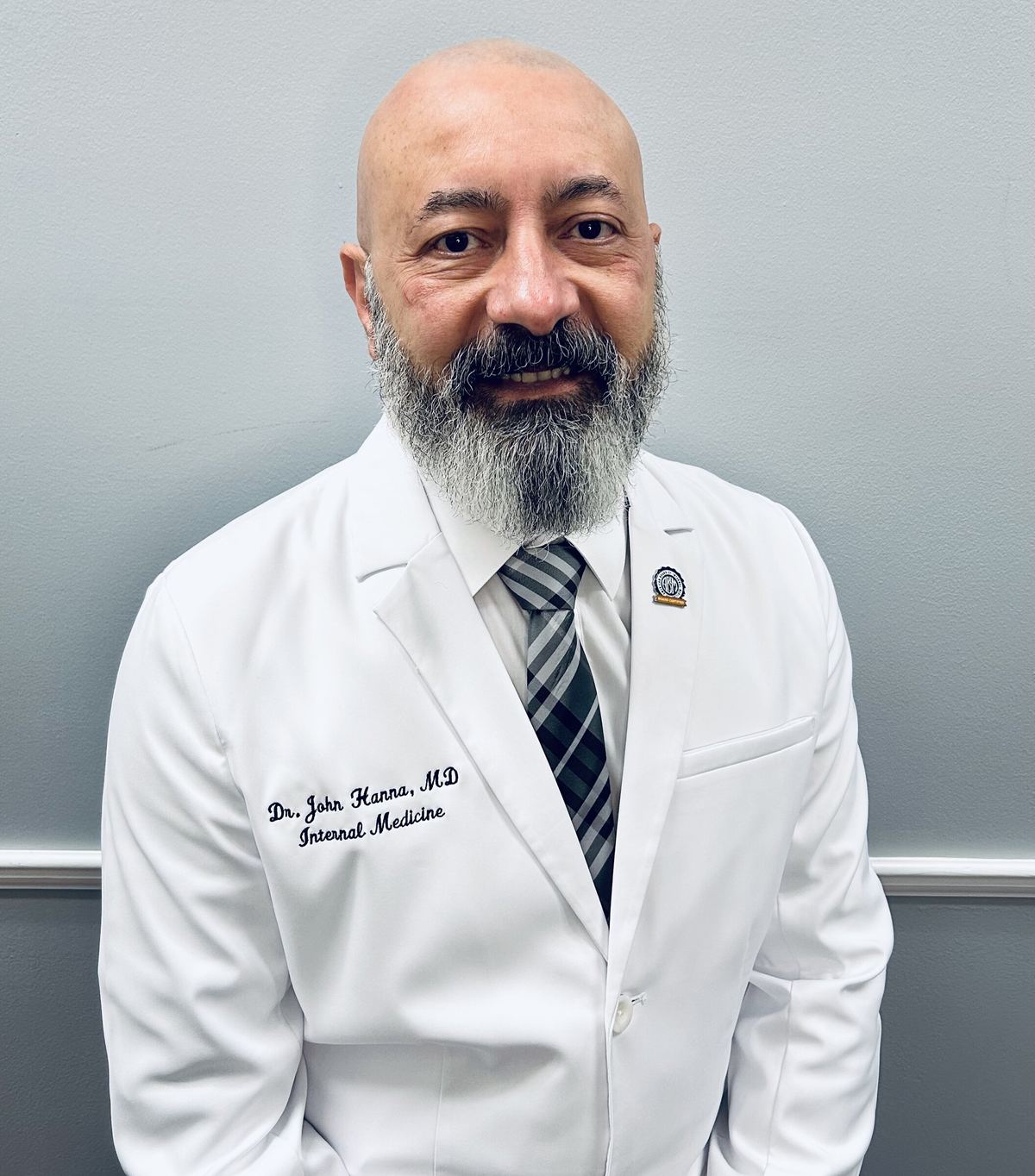
Internal Medicine MD
16,000+ Facebook followers in three months, up from about 400
Digital infrastructure and a social content system for a two location internal medicine practice in Hudson and Trinity, Florida.

Healthcare public relations
Shekinah Global Healthcare Foundation
12+ media and wire pickups, including AP News and a FOX 13 broadcast feature
A surgeon led press campaign that built national coverage for a nonprofit surgical mission ahead of a fixed departure date.
Podiatry
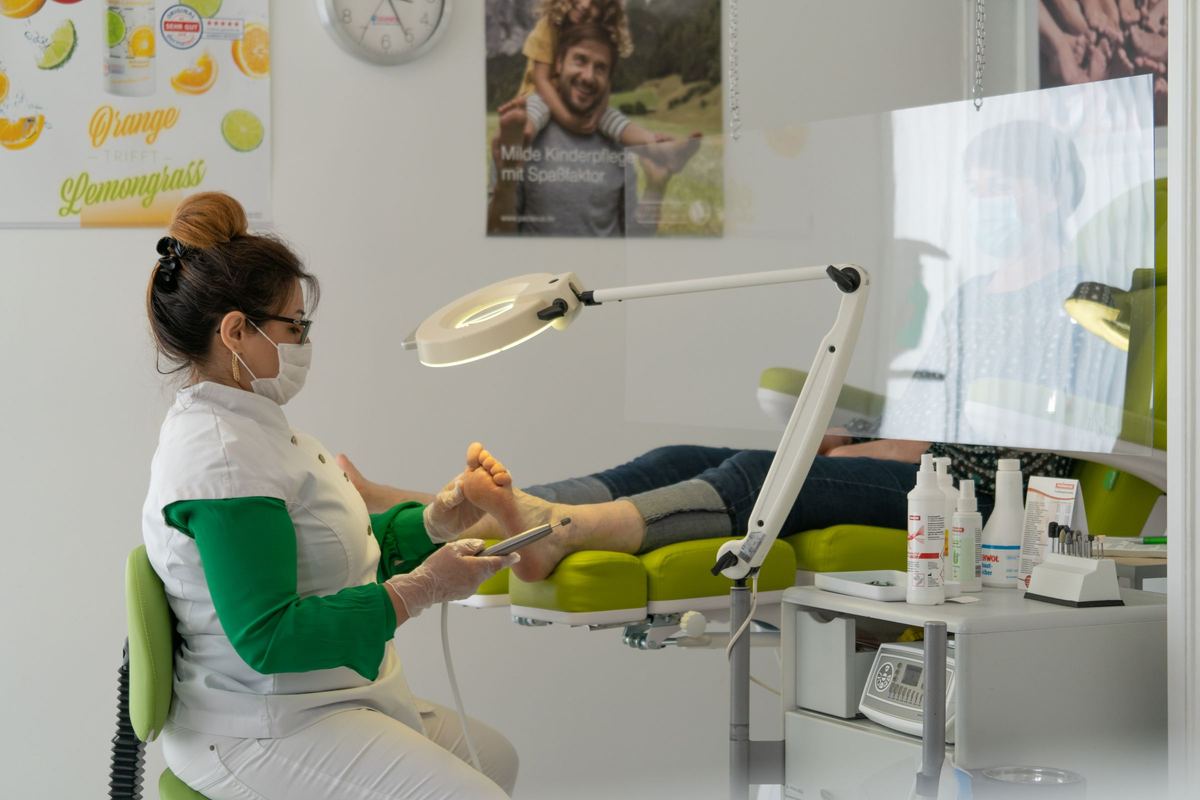
American Foot & Ankle Centers
Nov 2026 engagement start: full website rebuild and growth program
A podiatry practice in Ocala, Florida, beginning a complete website rebuild and patient growth program with Velocity.
Specialties
Specialties we support with marketing automation
Plastic Surgery
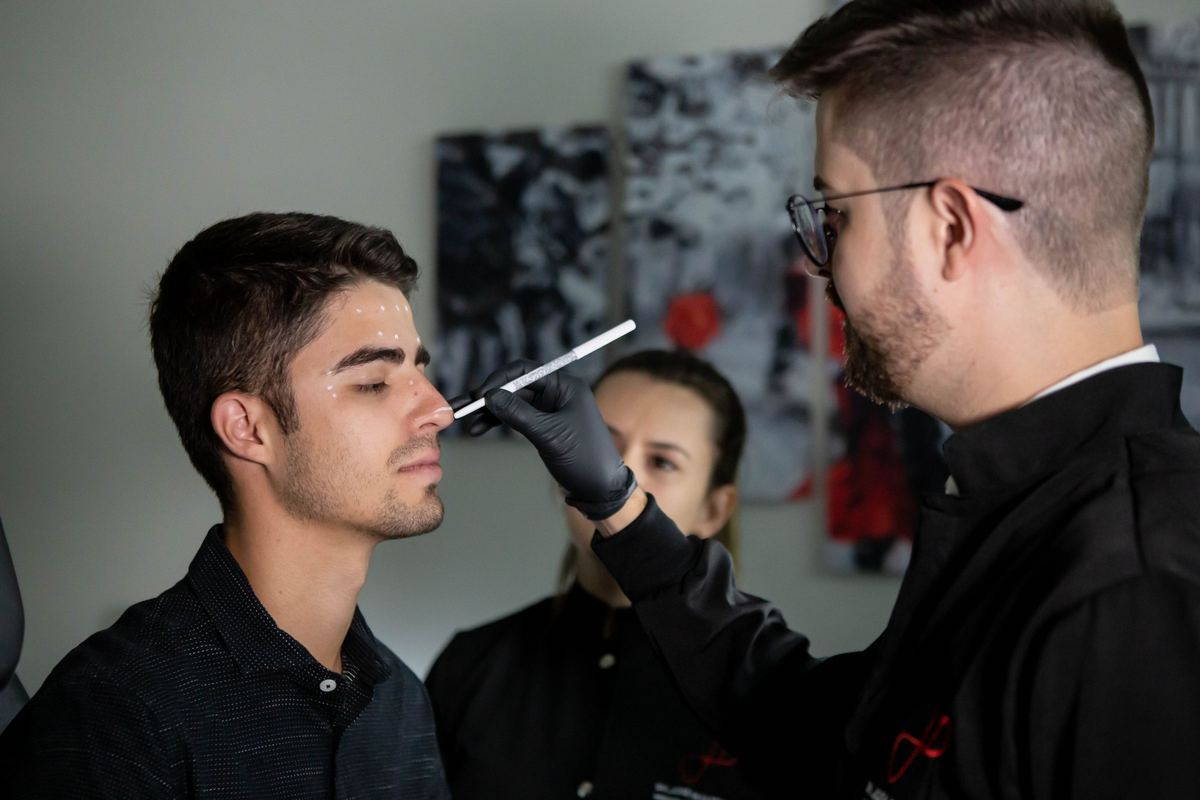
Plastic surgery marketing designed for long research cycles, consultation conversion and careful, compliant claims.

Orthopedics
Orthopedic marketing for surgical and non-surgical service lines, sports medicine and the referral relationships that feed them.

Behavioral Health
Stigma-aware, privacy-conscious marketing for mental health and substance use treatment providers.

Multi-Location Practices
Marketing systems for medical groups with many locations: brand governance, location pages, Google Business Profiles at scale and budget models.
Services
Services that work alongside marketing automation
Email Marketing
Patient newsletters, recall and reactivation campaigns planned with consent, CAN-SPAM requirements and patient privacy in view.
Patient Acquisition
Full funnel patient acquisition marketing that connects demand, conversion, intake and capacity so growth is measured in first visits, not clicks.
Conversion Rate Optimization
Testing and refinement of forms, calls, booking flows and landing pages so more of your existing website traffic becomes scheduled patients.
Analytics and Reporting
Privacy-aware measurement for healthcare marketing: GA4, Tag Manager, call tracking, CRM connections, attribution and dashboards leaders can use.
Website Development
Healthcare website engineering: platform selection, performance, accessibility, integrations, secure forms, migrations and hosting.
Resources
Guides on marketing automation

FAQ
Marketing automation FAQs
What is healthcare marketing automation?
It is the use of software to capture, route and follow up on inquiries and to run defined communication sequences, so prospective patients and referral partners get a timely, consistent response. Your team still handles the personal conversations.
Which CRM do you recommend for a medical practice?
It depends on your size, existing systems and privacy needs. We start with what you already use, then evaluate options on integration with your scheduling or practice management system, permissions, reporting and whether the vendor will sign a Business Associate Agreement where patient data is involved.
What does speed to lead mean in healthcare?
It refers to how quickly the practice responds to a new inquiry. Prospective patients often contact several practices, so a prompt, personal reply can make a meaningful difference. Automation helps with instant acknowledgments, alerts and escalation when an inquiry has not been answered.
Can automation connect to our scheduling system?
Often, depending on the scheduling or practice management vendor and what integrations it supports. Where a direct connection is not available, we design a simple process for staff to update status so reporting stays accurate.
How is this different from email marketing?
Marketing automation focuses on triggered workflows, routing and the CRM. Patient newsletters and planned email campaigns are a related service, and the two are usually coordinated so patients are not over messaged.
How do you protect patient information in automated workflows?
We design for minimum necessary data, keep clinical details away from advertising tools, use role based access, and review vendor roles and Business Associate Agreements with your compliance lead before launch. This is marketing guidance, not legal advice.
Sources and further reading
- HHS: Use of Online Tracking Technologies by HIPAA Covered Entities and Business Associates
- HHS: Business Associates Frequently Asked Questions
External sources are provided for context. Marketing guidance on this site is not legal advice.
Next step
Ready to answer every patient inquiry while it is still warm?
Tell us what you are running today and what you want marketing automation to deliver. We will share what we see in your market and how we would measure progress.