Plastic Surgery Marketing
Plastic Surgery Marketing for Consultation Growth
Patients considering aesthetic or reconstructive surgery research for weeks or months before they book a consultation. Healthcare Marketing by Velocity builds plastic surgery marketing around that reality: thorough procedure content, surgeon credibility, consent-based galleries and a consultation process designed to convert well qualified inquiries into scheduled procedures.
- Procedure content built for long research cycles
- Credential and photo claims reviewed for compliance
- Consultation conversion treated as part of marketing
How patients choose
Plastic surgery patients choose a surgeon, not a service
As a plastic surgery marketing agency, we market surgeons, not just procedures. Our plastic surgery marketing services include procedure focused plastic surgery SEO, Google Ads and paid social for consultations, before and after galleries used only with documented consent, and claims language reviewed against professional advertising expectations. Patient acquisition for plastic surgery is measured by consultations booked and procedures scheduled, since research cycles can run for months.
Few healthcare decisions are as personal or as deliberate as elective surgery. Prospective patients study procedures in depth, read and watch everything they can find, ask friends, and compare surgeons on training, experience with the specific procedure, results shown in galleries, reviews and how they feel during the consultation. Cost and financing matter, but most patients are weighing confidence in the surgeon above price alone.
The research period is long and often private. Many prospective patients interact with a practice several times, through the website, social channels and email, before they ever make contact. When they do, the speed, warmth and knowledge of the first response often decide whether a consultation is booked.
Plastic surgery marketing therefore has two jobs: build credible visibility during research, and make the consultation path smooth, informative and personal enough to convert serious inquiries.

Website experience
A plastic surgery website built for consultations
Fast pages, clear service information, visible credentials and a booking path that works on any phone. Every page has one job and one obvious next step.
Care that fits your schedule
Care that fits your schedule
BookCallMost valuable plastic surgery opportunities
Priorities depend on the surgeon’s focus, operating room access and market. These are common anchors for a growth plan.
Breast procedures
Augmentation, lift, reduction, revision and explant pages, each with its own audience and questions.
Body contouring
Abdominoplasty, liposuction and combined procedures, including post pregnancy and post weight loss audiences.
Facial surgery
Facelift, eyelid surgery, rhinoplasty and related procedures, where surgeon expertise and galleries carry particular weight.
Reconstructive services
Breast reconstruction and other reconstructive care, which involves insurance, referral relationships and a different tone.
Non-surgical gateway services
Injectables and skin treatments that introduce patients to the practice and can build long term relationships.
Revision procedures
Patients seeking a second opinion or revision, who often research surgeon experience especially carefully.
Plastic surgery search behavior
Search queries follow the research journey. Early searches are educational: what a procedure involves, how long recovery takes, whether results are permanent, how two procedures compare. Middle stage searches add cost, financing, before and after photos and surgeon names. Late stage searches are local and specific: a procedure plus a city, a surgeon’s name plus reviews, or a practice name plus consultation.
Patients also travel for surgery. A practice with a strong reputation for a particular procedure may draw patients from across a state or region, which makes procedure depth and surgeon authority more important than proximity alone.
A well organized site gives each procedure a substantial page, links it to the relevant gallery and surgeon profile, and supports it with answers to the questions patients ask at each stage. That is the core of our healthcare content program for aesthetic practices.
Questions patients research
- What the procedure involves and who it may suit
- Recovery time and time away from work
- Cost ranges and financing options
- Before and after photos for similar patients
- Surgeon training and procedure experience
- What happens at the consultation
Credential claims and state advertising rules
Board certification claims are among the most regulated statements in plastic surgery advertising. Many states set rules on how a physician may describe board certification in advertising, including which certifying bodies may be named and what must be disclosed. Velocity drafts credential language to be specific and accurate (naming the certifying board, for example) and recommends review by your counsel or state medical board guidance before publishing. Claims about being the best, the most experienced or the leading surgeon are avoided unless they can be objectively supported. This is marketing guidance, not legal advice.
See what plastic surgery marketing could do for your plastic surgery practice
Schedule a consultation about your plastic surgery practice. We will talk through your service lines, your local competition and where new patient demand is most available.
Local SEO, paid media and before and after content
The practice and each surgeon need complete, accurate Google Business Profiles and practitioner listings, with categories that reflect the procedures actually performed and photos of the real facility, including the surgical suite where appropriate. Location pages for satellite offices should be specific about which services and surgeons are available there.
Paid search for plastic surgery can be competitive and costly, which makes campaign structure and landing pages especially important. Campaigns are typically organized by procedure, with budget weighted toward the procedures that match the surgeon’s priorities and available operating time. Paid social is useful for reaching people early in their research, but platforms restrict some aesthetic imagery and messaging that implies negative self perception, so creative is reviewed against current policy before launch. See our approach to paid social for practices.
Before and after galleries are often the most visited pages on the site. Each image requires a signed authorization specific to marketing use, should be unretouched and representative, and should carry a clear note that individual results vary. Galleries organized by procedure and searchable by relevant characteristics help patients find comparable cases.
Reputation and consultation conversion
Reviews in plastic surgery often describe the consultation, the staff, the surgeon’s honesty about expectations, and the recovery experience. Steady review requests at appropriate post operative milestones help the profile reflect real experiences. Responses should never confirm that a reviewer had a procedure, even when the reviewer describes it.
The consultation is where marketing either pays off or stalls. A strong path typically includes a fast response to inquiries, a patient coordinator who can answer common questions, clear information about consultation fees and virtual options, follow up for patients who are not ready to decide, and tracking from first inquiry to scheduled procedure. Email and text nurture, configured in a privacy-aware way, can keep the practice present during a long decision. Our marketing automation work supports that follow up without making it feel automated.
The plastic surgery patient journey
Consideration
A prospective patient begins thinking about a procedure and starts reading and watching educational content.
Deep research
They compare procedures, recovery, cost, galleries and surgeon credentials, often over weeks or months.
Shortlist
Two or three surgeons are shortlisted based on credibility, results and reviews.
Inquiry and consultation
The patient inquires, books a consultation and meets the surgeon in person or virtually.
Decision and scheduling
Clear quotes, financing information and thoughtful follow up support a confident decision.
Recovery and advocacy
A well supported recovery often leads to reviews, photo consent and referrals within the patient’s circle.
Plastic surgery marketing KPIs
- Qualified inquiries by procedure
- Calls, forms and chats from prospective patients, grouped by procedure and channel.
- Inquiry to consultation rate
- The share of inquiries that book a consultation.
- Consultation to procedure rate
- The share of consultations that schedule surgery, tracked by surgeon and procedure.
- Speed to first response
- Time from inquiry to first meaningful contact from the practice.
- Cost per booked procedure
- Marketing spend divided by scheduled procedures, by channel where tracking allows.
- Gallery and procedure page engagement
- Visits and next step actions from galleries and procedure pages.
Proof
Aesthetics case studies for plastic surgery practices
Published client work with the time period and the work behind every figure. Use it to judge how we would approach plastic surgery marketing for your plastic surgery practice.
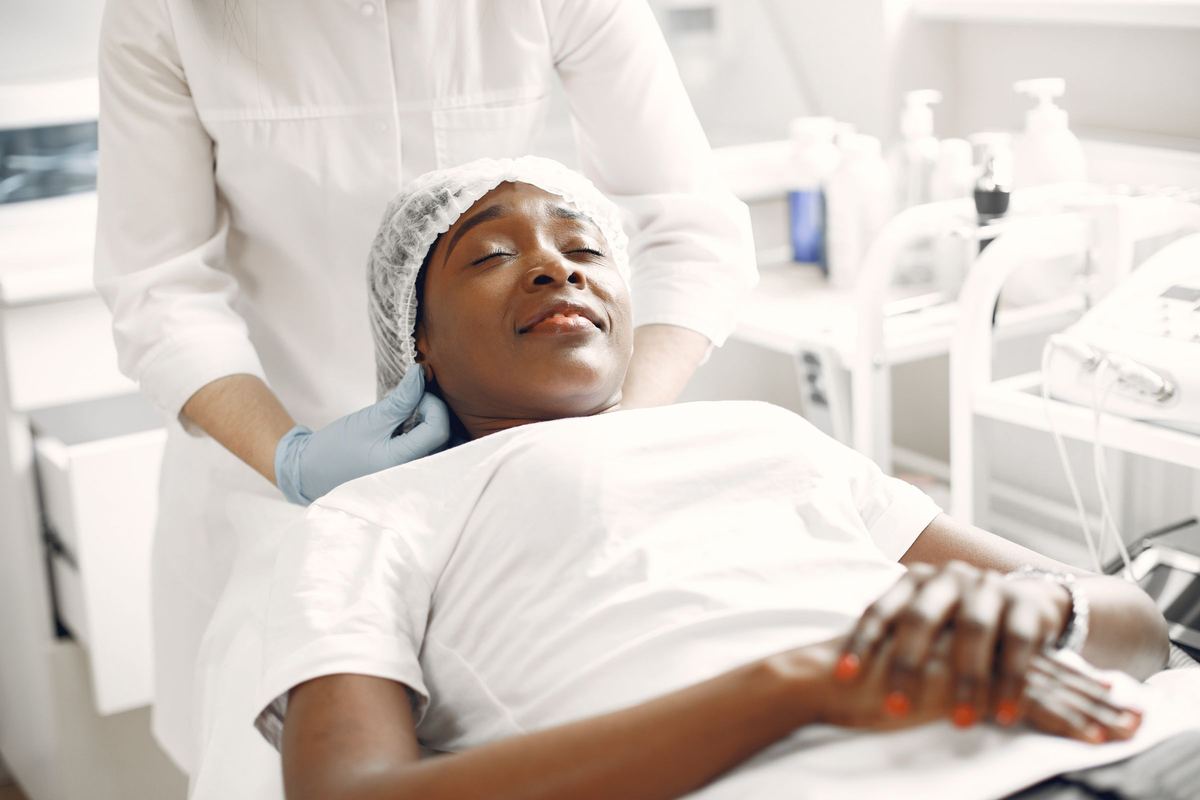
Medical aesthetics and wellness
Synergy Health
2 locations launched with one brand and one website
Brand identity, positioning and website for a physician led aesthetics, weight loss and wellness practice in Trinity and Ocala.
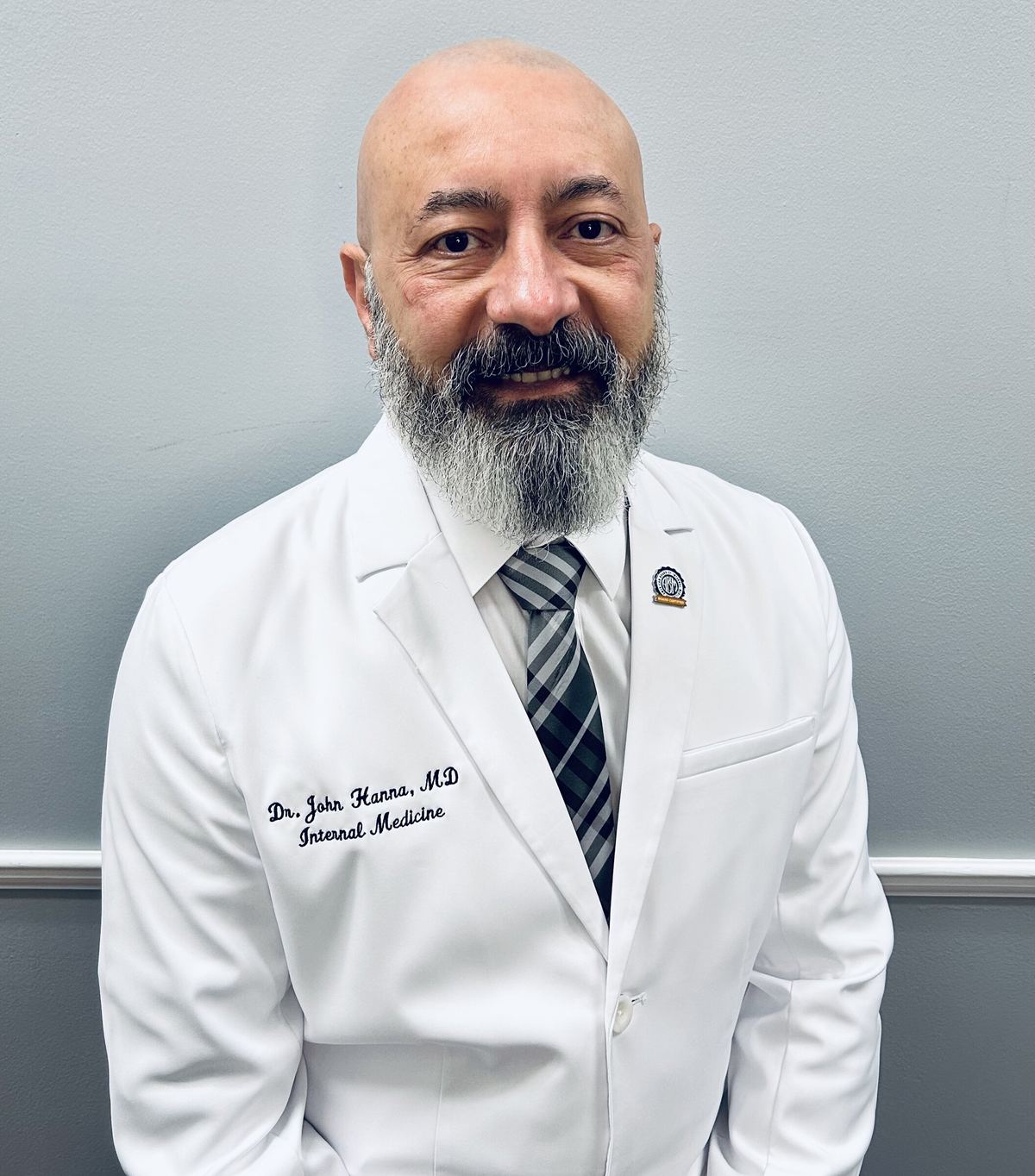
Primary care
Internal Medicine MD
16,000+ Facebook followers in three months, up from about 400
Digital infrastructure and a social content system for a two location internal medicine practice in Hudson and Trinity, Florida.

Healthcare public relations
Shekinah Global Healthcare Foundation
12+ media and wire pickups, including AP News and a FOX 13 broadcast feature
A surgeon led press campaign that built national coverage for a nonprofit surgical mission ahead of a fixed departure date.
Services
Plastic surgery marketing services
Healthcare Content Marketing
Editorial strategy, clinically reviewed content and repurposing workflows that build expertise signals and patient trust across search and social.
Paid Social
Paid advertising on Facebook, Instagram and other social platforms for healthcare practices, planned around platform health rules and patient privacy.
Marketing Automation
Lead routing, speed to lead workflows, nurture logic, referral tracking and CRM setup that help healthcare teams respond faster and lose fewer inquiries.
Reputation Management
Review generation, monitoring and HIPAA-conscious response workflows that help practices earn an accurate, current reputation on the platforms patients check.
Medical Website Design
Websites for physician practices with clear provider bios, service pages, easy booking, accessible design and fast mobile performance.
Healthcare Branding
Positioning, naming, identity systems and brand architecture for practices, physician groups and healthcare organizations that are growing or combining.
Specialties
Specialties related to plastic surgery
FAQ
Plastic surgery marketing FAQs
How long does plastic surgery marketing take to produce consultations?
Paid search and paid social can produce consultation requests within weeks of launch. Procedure SEO, galleries and surgeon content build over several months. Because many patients research for a long time, we also track consultations that arrive months after a first visit to the site.
How do you market a plastic surgeon without making unsupported claims?
By leading with specific, verifiable information: training, the certifying board, the procedures the surgeon focuses on, real galleries with consent, and reviews. We avoid superlatives and outcome promises, and recommend legal review of credential language.
Are before and after photos allowed on our website?
Generally yes, with a signed patient authorization specific to marketing use and accurate, unretouched images. State rules and professional society guidance may add requirements, so we build galleries around your consent process and compliance review.
Can we run Instagram and Facebook ads for plastic surgery?
Often yes, within platform rules that restrict certain imagery and messaging. We plan creative that educates and invites a consultation rather than relying on sensitive images.
Do you help with consultation conversion?
Yes. We review the inquiry and consultation path, response times, follow up and tracking, and recommend changes. Marketing results in plastic surgery depend heavily on what happens after the inquiry.
Do you list prices on procedure pages?
Many practices find that cost ranges or starting points, with clear notes about what affects the final quote, help qualified patients proceed. The choice is yours, and we can design pages either way.
Next step
Ready to grow your plastic surgery practice?
Tell us about your plastic surgery practice: the services you want to grow, your locations and how patients find you today. We will show you where plastic surgery marketing can add the most new patients and how we would measure it.