
Dermatology Marketing
Dermatology Marketing for Growing Practices
Healthcare Marketing by Velocity helps dermatology practices plan marketing around two very different patient decisions: the insured medical visit and the self pay cosmetic consultation. Each gets its own search strategy, its own conversion path and its own measurement, under one brand patients trust.

- Separate strategies for medical and cosmetic demand
- Consent-based before and after galleries
- Provider-led content reviewed by your clinicians
How patients choose
Two patient decisions inside one dermatology practice
As a dermatology marketing agency, Healthcare Marketing by Velocity helps practices grow medical, surgical and cosmetic dermatology without letting one crowd out the other. Our dermatology marketing services combine dermatology SEO for conditions such as eczema, psoriasis and skin cancer screening, dermatology advertising on Google for cosmetic treatments and Mohs surgery, review programs, and before and after galleries used only with written consent. Patient acquisition for dermatology is reported separately for medical and cosmetic visits, because the economics are different.
A patient with a changing mole, persistent eczema or acne that has not responded to over the counter products is usually looking for access. They want a board certified dermatologist who takes their insurance and can see them reasonably soon. Wait times for dermatology can be long in many markets, so availability is often the deciding factor once insurance is confirmed.
A patient considering neuromodulators, fillers, laser resurfacing or body contouring is making a different decision. It is elective, self pay and highly visual. They compare providers on credentials, results shown in photos, the experience of the office, pricing transparency and how comfortable they feel in the consultation. They may research for weeks before booking.
The strongest dermatology marketing plans treat these as distinct audiences with distinct paths, while keeping the medical credibility of the practice at the center of the brand. That medical foundation is a meaningful advantage over cosmetic only competitors when it is communicated clearly.

Search visibility
Dermatology search results that win the click
Patients judge a practice in seconds from its search result. We shape titles, page content and structured data so your result is specific, credible and leads straight to a booking path.
yourpractice.com › conditions
Treatment Options, Explained Clearly | Your Practice
Clear answers, provider credentials, insurance information and online booking on one page.
healthdirectory.example
anotherpractice.example
High value dermatology opportunities
Priorities depend on your providers, capacity and payer contracts. These are the service lines practices most often build plans around.
Skin cancer screening and Mohs surgery
Visibility for screening, biopsy follow up and Mohs surgery, supported by referral relationships with primary care physicians.
Chronic inflammatory conditions
Pages and campaigns for psoriasis, eczema, hidradenitis and similar conditions where patients seek long term specialist care.
Acne and rosacea
Searches that span teens, parents and adults, with both medical and cosmetic treatment pathways.
Injectables
Neuromodulator and filler consultations, often the entry point to a longer cosmetic relationship with the practice.
Lasers and energy devices
Resurfacing, vascular, pigment and hair removal services where device names and outcomes drive research.
Pediatric dermatology
Where offered, parent focused content and referral outreach to pediatricians.
Dermatology search behavior
Medical dermatology searches are local and condition driven: dermatologist near me, skin cancer screening in a named city, a dermatologist who accepts a specific plan, or a condition plus a location. Patients also search symptoms first and only later search for a specialist, which is where educational condition pages earn their place.
Cosmetic searches look different. Patients search treatment and brand names, cost questions, recovery time, before and after photos and comparisons between treatments. The research window is longer and the content needs to be more thorough. Device and product brand names appear frequently in queries, so service pages should name the specific devices and products the practice actually uses, accurately.
Keeping these intents on separate, well structured pages helps both rank. It also lets the practice measure medical and cosmetic growth independently. Our SEO for physician practices work starts with exactly that map.
Typical dermatology queries
- Dermatologist accepting new patients nearby
- Skin cancer screening or Mohs surgeon in a city
- Condition specific specialist searches
- Treatment cost and recovery questions
- Device and product brand names
- Before and after photo searches
Local SEO and paid media for dermatology
Each office needs a complete Google Business Profile with accurate categories. Many practices benefit from listing dermatologist as the primary category and adding relevant secondary categories for cosmetic or surgical services where they are accurate. Services, photos of the actual office, and current hours should be maintained, and individual dermatologist listings kept aligned with the office profile. Location pages should list the providers and the services offered at each site, since not every office offers every procedure.
Paid search is often most useful on the cosmetic side, where demand is high intent and the value of a new patient relationship can support the cost per click. Campaigns should be organized by treatment so budget can follow consult capacity. Medical campaigns can be useful for new offices, new providers or service lines such as Mohs where you want to build visibility quickly. Paid social is primarily a cosmetic channel and needs careful creative review: platform policies restrict some before and after imagery and content that implies negative self perception, so creative is built to stay within current platform rules. For channel planning, see our paid social for healthcare approach.
See what dermatology marketing could do for your dermatology practice
Schedule a consultation about your dermatology practice. We will talk through your service lines, your local competition and where new patient demand is most available.
Before and after photos require documented consent
Before and after images are among the most persuasive dermatology content and among the most sensitive. Every image should be backed by a signed authorization that specifically covers marketing use, kept on file and tracked so images can be removed if consent is withdrawn. Images should be unretouched, representative and paired with a statement that individual results vary. State rules and platform policies on patient images also apply. Velocity builds galleries around your consent process and recommends review by your compliance lead. This is marketing guidance, not legal advice.
Dermatology reputation and website conversion
Dermatology reviews often mention wait times, how thoroughly the provider examined the patient and, on the cosmetic side, how natural results look and how the patient was treated in the consultation. A review request process that reaches both medical and cosmetic patients gives prospective patients a balanced view of the practice. Responses should never confirm a reviewer is a patient or discuss treatment details.
The website needs two clear conversion paths. Medical visitors want to confirm insurance, find a location and request an appointment. Cosmetic visitors want to see treatment details, provider credentials, photo galleries and a simple way to book a consultation, sometimes with a deposit. Separating these paths, and tracking each one, allows the practice to understand which channels feed which side of the business. Our conversion optimization work focuses on removing friction from both.
Dermatology content opportunities
Condition library
Clinician reviewed pages on common conditions explaining when to see a dermatologist and what an evaluation involves.
Treatment pages with real detail
What the treatment is, who it may suit, what the visit involves, typical recovery considerations and the devices or products used.
Skin cancer awareness content
Educational pages and seasonal campaigns about skin checks, written carefully and without diagnostic advice.
Provider video and social content
Short educational clips from your dermatologists that build familiarity and demonstrate expertise.
The dermatology patient journey
Concern or interest
A medical concern, a referral from a primary care physician, or a cosmetic goal starts the search.
Research
Medical patients check insurance and availability. Cosmetic patients research treatments, photos and cost over a longer period.
Provider comparison
Credentials, reviews and the look and feel of the practice shape the shortlist.
Booking
An appointment request or consultation booking, ideally online or with a fast phone response.
Visit or consultation
The visit experience determines whether medical patients return and whether cosmetic consults convert to treatment.
Cross service relationship
Over time, many patients use both sides of the practice when introduced thoughtfully and without pressure.
Dermatology marketing KPIs
- Medical new patient bookings
- New medical appointments by location and provider, attributed to source.
- Cosmetic consultations booked
- Consultation requests by treatment category and channel.
- Consult to treatment rate
- The share of cosmetic consultations that proceed to treatment.
- Cost per cosmetic consult
- Paid media spend divided by booked cosmetic consultations, tracked by treatment.
- Review volume and rating by location
- New reviews per month and average rating across each office.
- Revenue mix by service line
- Medical, surgical and cosmetic contribution, to confirm marketing supports the intended balance.
Proof
Aesthetics case studies for dermatology practices
Published client work with the time period and the work behind every figure. Use it to judge how we would approach dermatology marketing for your dermatology practice.

Medical aesthetics and wellness
Synergy Health
2 locations launched with one brand and one website
Brand identity, positioning and website for a physician led aesthetics, weight loss and wellness practice in Trinity and Ocala.
Primary care
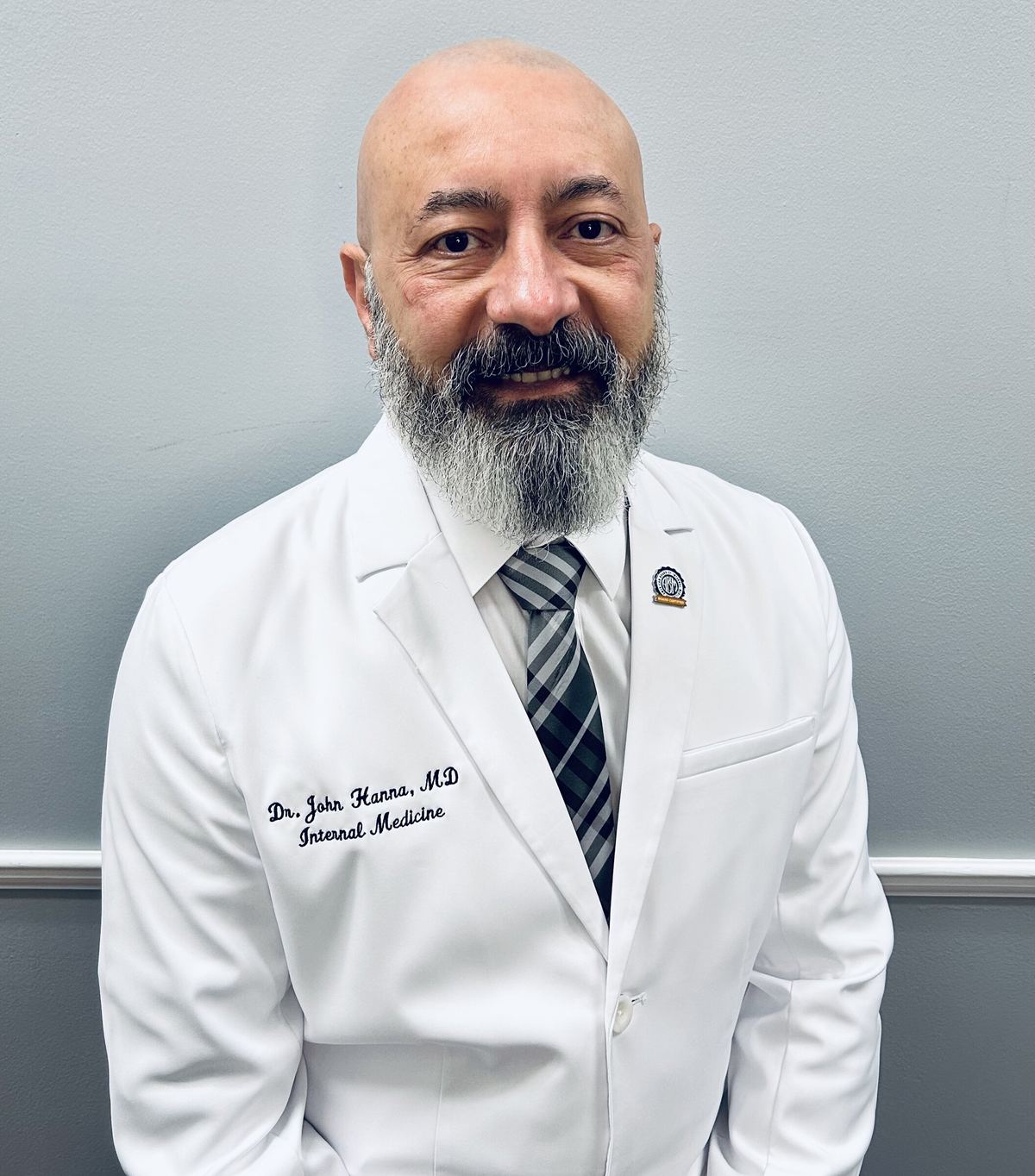
Internal Medicine MD
16,000+ Facebook followers in three months, up from about 400
Digital infrastructure and a social content system for a two location internal medicine practice in Hudson and Trinity, Florida.

Healthcare public relations
Shekinah Global Healthcare Foundation
12+ media and wire pickups, including AP News and a FOX 13 broadcast feature
A surgeon led press campaign that built national coverage for a nonprofit surgical mission ahead of a fixed departure date.
Services
Dermatology marketing services
Medical SEO
Search optimization for physicians and independent practices, built around provider pages, procedures, conditions and clinical credibility.
Google Ads
Hands on Google Ads account management for medical practices: audits, campaign setup, assets, conversion tracking and budget pacing.
Paid Social
Paid advertising on Facebook, Instagram and other social platforms for healthcare practices, planned around platform health rules and patient privacy.
Reputation Management
Review generation, monitoring and HIPAA-conscious response workflows that help practices earn an accurate, current reputation on the platforms patients check.
Conversion Rate Optimization
Testing and refinement of forms, calls, booking flows and landing pages so more of your existing website traffic becomes scheduled patients.
Specialties
Specialties related to dermatology
FAQ
Dermatology marketing FAQs
What should a dermatology practice look for in a marketing agency?
Experience with both medical and cosmetic dermatology, a plan that keeps the two journeys distinct, careful handling of before and after images and claims, and reporting that separates medical visits from cosmetic consultations. Ask how the agency would protect access for medical patients while growing cosmetic demand.
Should medical and cosmetic dermatology have separate websites?
Usually not. One authoritative site with clearly separated sections tends to perform better and keeps the medical credibility connected to the cosmetic services. A separate cosmetic brand can make sense in some cases, and we will walk through the tradeoffs.
Can we use before and after photos in ads?
Sometimes, depending on the platform and the image. Advertising platforms restrict certain before and after imagery, and every image needs documented patient authorization. We review creative against current platform policies before launch.
How do you market skin cancer services responsibly?
With educational content that encourages appropriate evaluation without diagnosing or alarming readers, clear information about screening visits, and referral outreach to primary care physicians. Clinical content is reviewed by your dermatologists.
Do you mention device and product brand names?
Yes, when the practice actually uses them and the description is accurate. Patients search brand names, and accurate references help them find the right page. We avoid claims that go beyond the manufacturer’s cleared or approved uses.
How quickly can cosmetic marketing produce consultations?
Paid search can begin generating consultation requests soon after launch, depending on budget, market and the quality of the landing pages. Organic visibility for cosmetic treatments typically builds over several months.
Next step
Ready to grow your dermatology practice?
Tell us about your dermatology practice: the services you want to grow, your locations and how patients find you today. We will show you where dermatology marketing can add the most new patients and how we would measure it.