Conversion Rate Optimization
Healthcare Conversion Rate Optimization for More Appointments
Healthcare conversion rate optimization helps practices and healthcare organizations get more appointments from the traffic they already earn. We study how patients move through your website, phone lines and booking tools, then test practical improvements to forms, calls, booking flows and landing pages, measured against appointment actions rather than clicks alone.

- Measurement first, so every change can be evaluated
- Forms, calls and booking flows reviewed end to end
- Structured testing on pages that carry the most demand
Where growth is available
Healthcare conversion rate optimization starts with visitors you already have
Healthcare conversion rate optimization (CRO) increases the share of website visitors who call, book or request an appointment, and the share of those inquiries that become visits.
Most marketing plans focus on bringing more people to the website. Conversion rate optimization focuses on what happens after they arrive. If a meaningful share of visitors are already looking for care you provide, small improvements in how easily they can call, book or submit a request can produce more appointments from the same budget.
Healthcare conversion extends past the web page. A patient might tap to call and reach a busy line. They might start online booking and find no new patient slots. They might submit a form and wait two days for a callback. Each of those moments is part of the conversion path, and each is something a practice can improve.
We look at the whole path from first visit to scheduled appointment, measure where patients continue and where they pause, and prioritize improvements by the demand they affect. The approach is steady and evidence based rather than a list of quick fixes.

Measurement
Where healthcare websites lose patients, and how CRO wins them back
Growth becomes predictable when each stage is visible. We connect search, website, phones and scheduling so you can see where patients come from and where they slip away.
What our healthcare CRO service includes
Each engagement is scoped to your traffic, your scheduling setup and the pages that matter most. These are the core workstreams.
Measurement setup
Tracking for calls, form submissions, booking clicks and completed requests, configured with privacy in mind so improvements can be measured reliably.
Conversion audit
A page by page and device by device review of priority pages, booking paths and contact options, informed by analytics and session behavior.
Form friction review
Field count, labels, error messages, required fields, mobile keyboards and confirmation steps examined for anything that makes completion harder than necessary.
Call conversion
Click to call placement, call tracking by source, after hours handling and a review of how calls are answered and routed, shared with your front office lead.
Booking flow optimization
A review of online scheduling steps, new patient paths, insurance questions and handoffs between your site and the booking tool.
Landing page optimization
Campaign and service landing pages refined for message match, clarity, trust signals and a single clear next step.
Structured testing
A/B and sequential tests where traffic supports them, with written hypotheses, defined success measures and documented results.
Trust and clarity improvements
Provider credentials, insurance information, location details and expectations placed where patients look before they act.
Speed and accessibility fixes
Performance and accessibility issues on high traffic pages addressed, since both affect whether visitors can complete a task.
Why healthcare conversion optimization requires specialization
Retail CRO techniques do not always translate to healthcare. Urgency tactics, countdown timers and aggressive pop ups can undermine trust with someone deciding where to receive care. Healthcare visitors respond to clarity: who the provider is, what to expect, whether the practice accepts their insurance and how soon they can be seen.
Measurement also needs care. Session recording, heat mapping and testing tools can capture what visitors type or view, and on some healthcare pages that information is sensitive. We take a HIPAA-conscious approach: we limit tools on sensitive pages, mask form inputs, avoid sending health details to advertising platforms and review vendors with your compliance lead, including Business Associate Agreements where required. This is marketing guidance, not legal advice.
Finally, many healthcare conversions happen by phone. Website testing alone can miss whether calls are answered, how long patients wait and whether they leave with an appointment. A healthcare CRO program brings the front office into the picture, with respect for the people doing that work.
Healthcare CRO principles
- Clarity and trust over pressure tactics
- Masked inputs and limited tools on sensitive pages
- Phone handling treated as part of conversion
- New and existing patient paths kept distinct
- Tests sized to the traffic available
- Results documented, including inconclusive tests
Find out where conversion rate optimization can grow your patient volume
Request a marketing assessment. We will review where conversion rate optimization stands today, what competitors in your market are doing and which improvements are likely to matter first.
How we deliver conversion rate optimization
CRO is a cycle. Each round builds on what the previous round learned.
Confirm measurement
We verify that calls, forms, booking clicks and completed requests are tracked accurately by page, source and device. Testing without reliable measurement produces guesses.
Map the patient path
We trace how visitors move from entry pages to an appointment action, including phone and booking tool steps, and identify where they leave.
Prioritize opportunities
We rank ideas by the traffic they affect, the expected effect and the effort required, then agree on a short list with your team.
Design and test
We write a hypothesis for each change, build variations, run tests where traffic supports them or implement and monitor sequential changes where it does not.
Review phone and booking operations
We share call and booking data with your office lead and recommend practical changes to scripts, routing, hours or scheduling availability.
Document and repeat
Results are recorded, winning changes are rolled out across similar pages and the next round of tests begins.
Conversion rate optimization deliverables
- Measurement audit and tracking plan
- Conversion audit of priority pages and devices
- Patient path map from visit to appointment
- Prioritized opportunity backlog
- Form friction recommendations
- Call conversion and phone handling review
- Booking flow recommendations
- Landing page variations and test plans
- Test results log with documented learnings
- Monthly CRO report with next steps
How we measure healthcare conversion optimization
Each measure below is defined before testing begins so results are judged consistently.
- Conversion rate
- Appointment actions divided by sessions, reported by page, source and device. For example, 30 actions from 1,000 sessions is a 3 percent conversion rate (illustrative only).
- Form completion rate
- Submitted forms divided by forms started, which isolates friction inside the form.
- Answered call rate
- Calls answered by staff divided by calls received from tracked sources, reviewed by time of day.
- Booking completion
- Completed online bookings divided by booking flows started.
- Cost per appointment action
- Campaign spend divided by appointment actions, which shows how conversion gains affect paid media efficiency.
- Test velocity and learning
- Tests completed and documented each quarter, including those that did not produce a change.
Common friction points and how we approach them
These are typical areas we review. The right change for your practice depends on your data.
| Area | What we review | Typical improvement direction |
|---|---|---|
| Contact forms | Field count, labels, errors, mobile behavior | Fewer fields, clearer labels, helpful error messages |
| Phone calls | Click to call placement, answer rates, after hours handling | Visible numbers, routing adjustments, after hours options |
| Online booking | Steps, new patient paths, availability | Shorter flows and clear guidance for new patients |
| Landing pages | Message match with ads, clarity, trust signals | One clear next step and details that answer common questions |
| Provider pages | Credentials, approach, booking options | Booking options placed beside each provider |
Proof
Case studies for practices exploring conversion rate optimization
Real engagements with dates, methods and context, so you can judge how conversion rate optimization fits into a complete growth program.
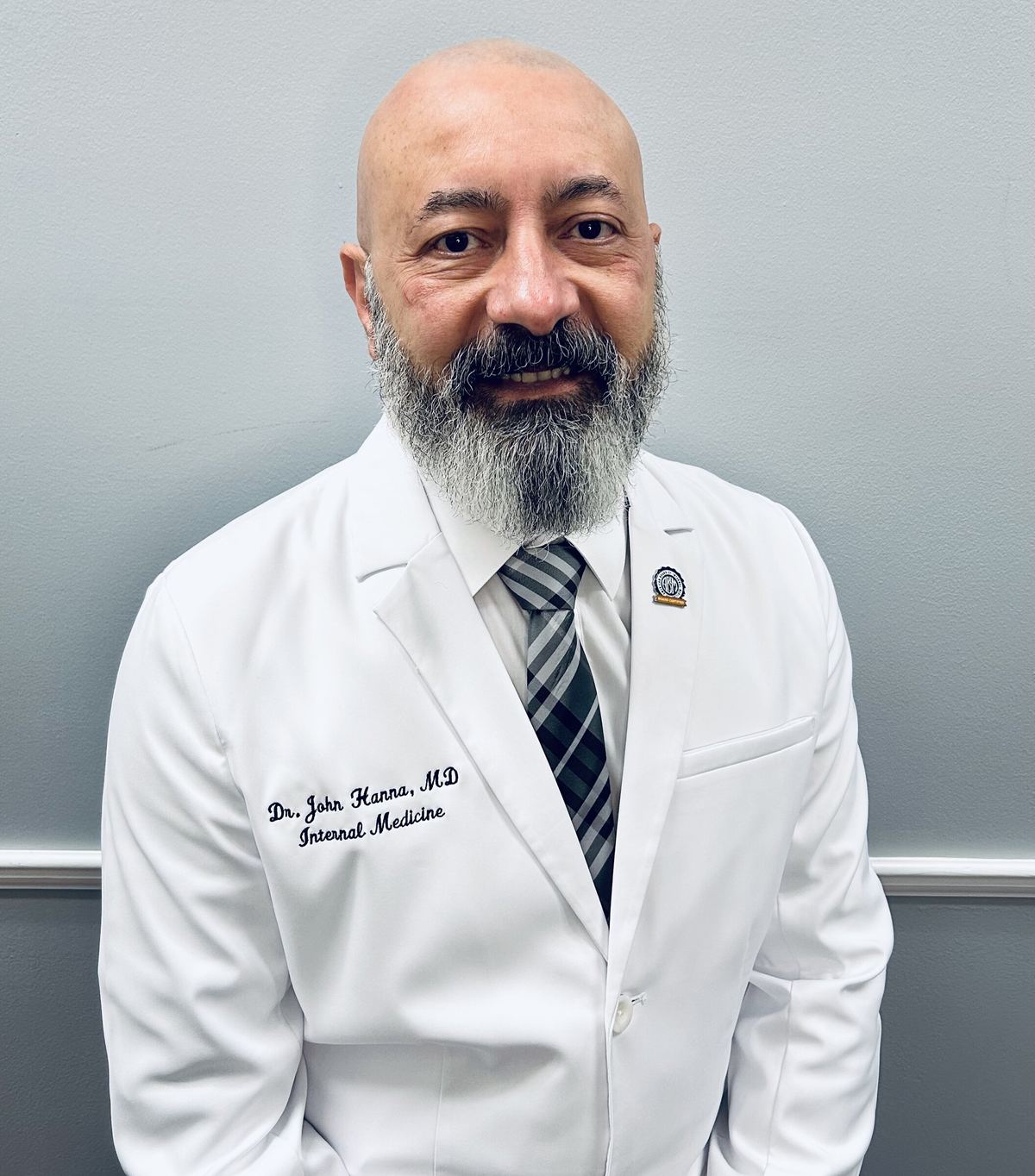
Primary care
Internal Medicine MD
16,000+ Facebook followers in three months, up from about 400
Digital infrastructure and a social content system for a two location internal medicine practice in Hudson and Trinity, Florida.

Healthcare public relations
Shekinah Global Healthcare Foundation
12+ media and wire pickups, including AP News and a FOX 13 broadcast feature
A surgeon led press campaign that built national coverage for a nonprofit surgical mission ahead of a fixed departure date.
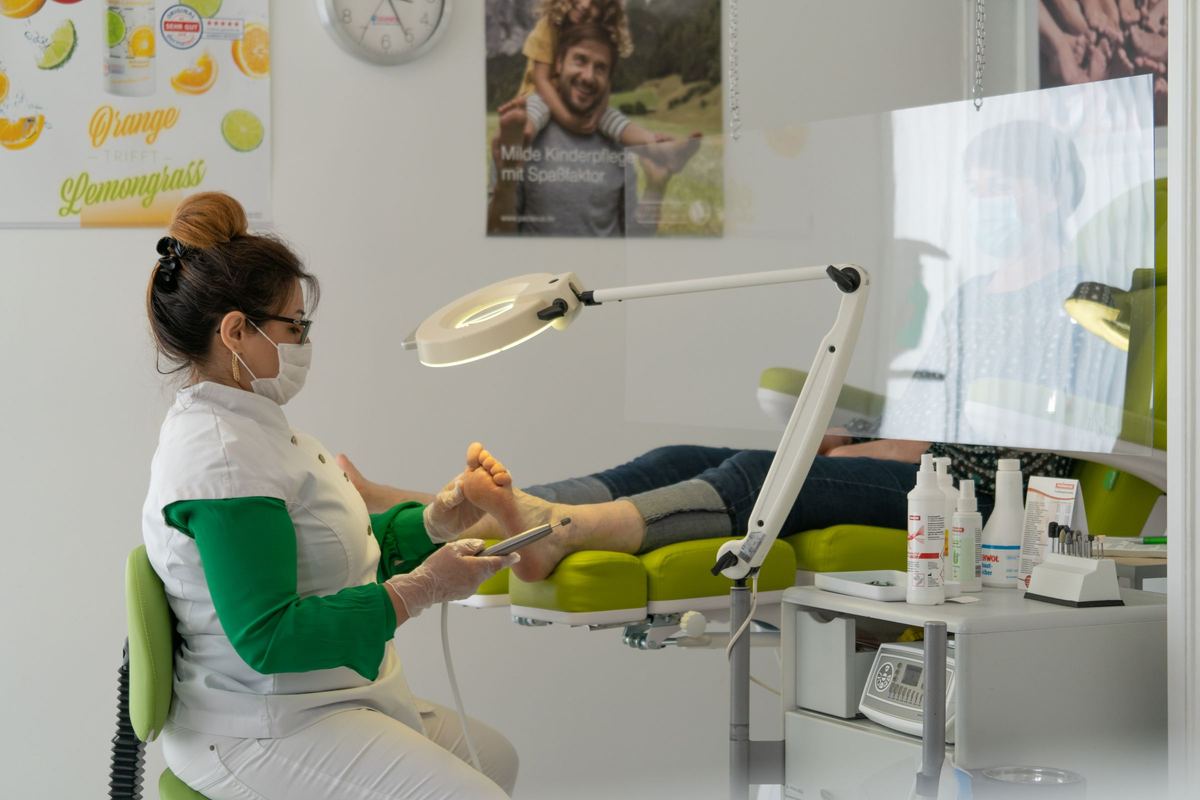
Podiatry
American Foot & Ankle Centers
Nov 2026 engagement start: full website rebuild and growth program
A podiatry practice in Ocala, Florida, beginning a complete website rebuild and patient growth program with Velocity.
Specialties
Specialties we support with conversion rate optimization

Medical Spas
Med spa marketing that builds memberships and repeat visits while keeping promotions and treatment claims within the rules.
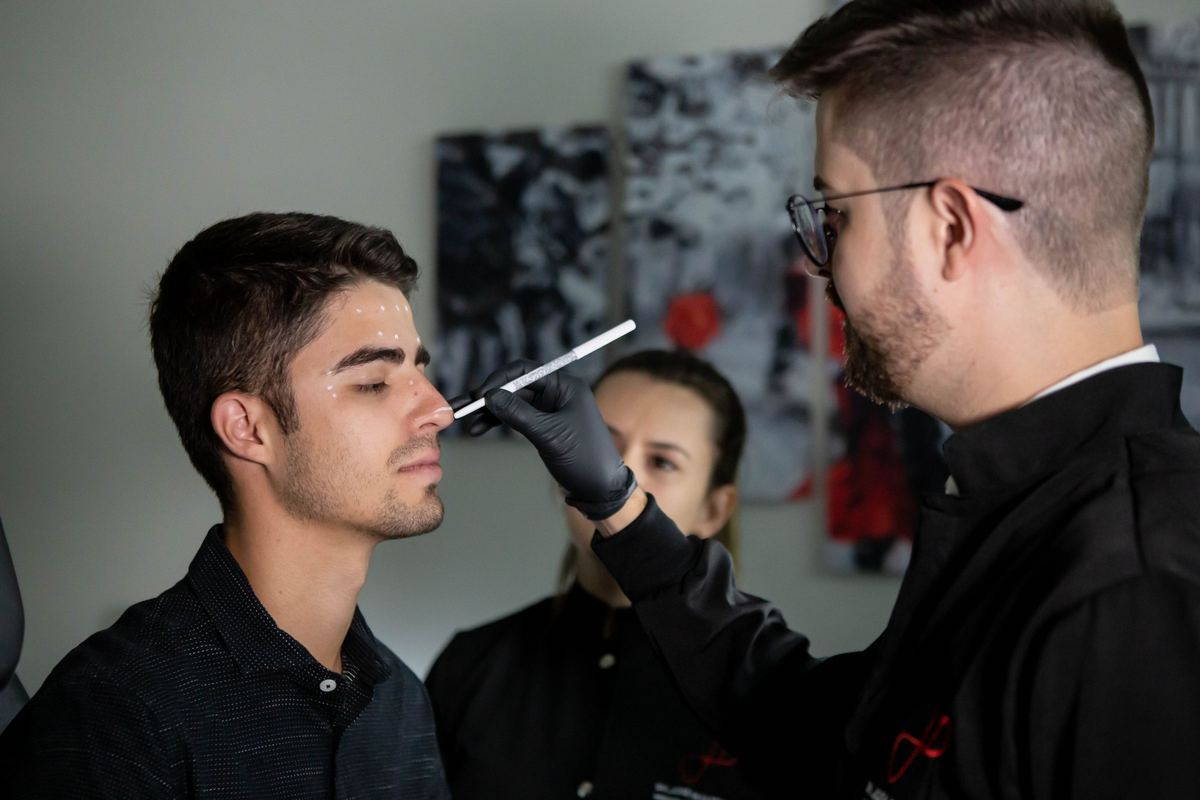
Plastic Surgery
Plastic surgery marketing designed for long research cycles, consultation conversion and careful, compliant claims.

Multi-Location Practices
Marketing systems for medical groups with many locations: brand governance, location pages, Google Business Profiles at scale and budget models.

Orthopedics
Orthopedic marketing for surgical and non-surgical service lines, sports medicine and the referral relationships that feed them.
Services
Services that work alongside conversion rate optimization
Website Development
Healthcare website engineering: platform selection, performance, accessibility, integrations, secure forms, migrations and hosting.
Medical Website Design
Websites for physician practices with clear provider bios, service pages, easy booking, accessible design and fast mobile performance.
Healthcare PPC
Paid search strategy across Google and Microsoft Ads for healthcare organizations and practices, measured by qualified calls and appointments.
Analytics and Reporting
Privacy-aware measurement for healthcare marketing: GA4, Tag Manager, call tracking, CRM connections, attribution and dashboards leaders can use.
Patient Acquisition
Full funnel patient acquisition marketing that connects demand, conversion, intake and capacity so growth is measured in first visits, not clicks.
Resources
Guides on conversion rate optimization

FAQ
Conversion rate optimization FAQs
What is healthcare conversion rate optimization?
It is the practice of improving the pages, forms, calls and booking tools on a healthcare website so more visitors take the next step. It is measured by appointment actions, such as calls and booking requests, rather than clicks or time on page.
How much traffic do we need for conversion testing?
Formal A/B testing works best on pages with steady traffic. Lower traffic pages can still improve through sequential changes measured over time and through qualitative research such as usability reviews. We recommend the approach that fits your volume.
How quickly can we expect results from CRO?
Some improvements, such as fixing a broken form or adding a visible phone number on mobile, can show effect soon after launch. Structured tests typically need several weeks to reach a reliable answer. Results depend on traffic, the changes tested and your scheduling capacity.
Are heat maps and session recordings safe to use on a healthcare website?
They can be used thoughtfully. We mask form inputs, exclude sensitive pages, review what each vendor collects and coordinate with your compliance lead on agreements. In some cases, the better choice is not to use them on certain pages. This is marketing guidance, not legal advice.
Do you look at our phone handling too?
Yes, with your permission. Many patients call rather than book online, so call answer rates, hold times and routing are part of conversion. We share findings with your office lead and suggest practical adjustments.
Where should we start if we want to improve our own site?
Our conversion checklist for medical websites is a practical starting point. It covers booking visibility, phone links, forms, provider pages and mobile usability.
How does CRO relate to our ad campaigns?
Better landing page and booking conversion can lower the cost of each appointment action from paid campaigns. We often work alongside our healthcare PPC management team so ads and landing pages are tested together.
Sources and further reading
- W3C Web Accessibility Initiative: WCAG 2.2 Quick Reference
- HHS: Use of Online Tracking Technologies by HIPAA Covered Entities and Business Associates
External sources are provided for context. Marketing guidance on this site is not legal advice.
Next step
Ready to put conversion rate optimization to work for your practice?
Tell us what you are running today and what you want conversion rate optimization to deliver. We will share what we see in your market and how we would measure progress.