Paid Social
Healthcare Paid Social Advertising Within the Rules
Healthcare Marketing by Velocity plans and manages paid social campaigns for medical practices and healthcare organizations on Facebook, Instagram and, where it fits, LinkedIn. We design targeting, creative and measurement around platform health restrictions and patient privacy, so campaigns can grow awareness and inquiries responsibly.

- Campaigns designed around Meta health advertising limits
- Creative that is clear, accurate and specific to the service
- Privacy-aware tracking choices for healthcare websites
Where paid social adds new demand
Social ads reach patients before they start searching
Search ads meet demand that already exists. Paid social creates it. A well placed video about a new service, an introduction to a physician joining the practice, or an invitation to a seasonal screening event can reach people in your area who have not yet looked for that care. For elective and aesthetic services, social platforms are often where people first discover a provider they later book with.
Healthcare social advertising also supports the rest of the marketing mix. People who have seen a practice in their feed may be more likely to recognize its name in search results or on a map. Campaigns for staff recruiting, community events and practice openings can run alongside patient campaigns with different goals and budgets.
The opportunity is real, and so are the guardrails. Meta and other platforms limit how health related ads can be targeted and measured. Programs that respect those limits from the start tend to run more steadily than ones that are rebuilt after a policy notice.

Integrated marketing
How paid social fits the healthcare channel mix
Patients move between search, maps, social, reviews and your website before they call. We plan the channels together so each one supports the others.
What our healthcare paid social service includes
We manage the full cycle from audience planning to reporting. The mix depends on the services you want to grow and the platforms your patients use.
Facebook ads for medical practices
Campaigns for awareness, engagement and inquiries, structured by service, location and audience size.
Instagram ads for healthcare
Visual formats such as Reels, Stories and carousel ads suited to aesthetic, wellness and lifestyle related services.
Audience planning
Broad and location based audiences that work within health targeting limits, using creative to attract the right people rather than sensitive attributes.
Creative development
Short video, static and carousel concepts that explain a service, introduce providers and show the practice honestly, without patient identifying content unless properly authorized.
Lead forms and landing pages
A deliberate choice between on platform lead forms and dedicated landing pages, based on privacy, lead quality and follow up workflow.
Tracking setup review
A review of the Meta pixel, Conversions API and other tags on your site, with recommendations on where they should and should not run.
Lead follow up workflow
Routing so new inquiries reach staff quickly, with response scripts and timing agreed with the front desk.
Recruiting and community campaigns
Separate campaigns for hiring, events and practice news, measured on their own goals.
Testing and reporting
Structured creative tests and monthly reporting that connect spend to qualified inquiries and booked visits where data allows.
Meta health rules, privacy and creative review
Meta has narrowed how advertisers can target people based on health. Detailed targeting options that referenced health conditions and other sensitive topics have been removed, and Meta's advertising standards caution against ad copy that implies knowledge of a person's health, such as asking whether the viewer has a specific condition. Meta has also limited certain data sharing and conversion optimization for advertisers it classifies in health and wellness. These rules evolve, so we confirm current requirements before each launch.
The larger issue is tracking on your own website. The Meta pixel can send page URLs and events back to Meta. On a healthcare site, that can include visits to condition pages, appointment forms or portal logins. The U.S. Department of Health and Human Services has published guidance on online tracking technologies used by HIPAA covered entities and business associates; part of that guidance was vacated by a federal court in 2024, but its discussion of authenticated pages and appointment and scheduling features remains important context.
Practices should decide which pages carry advertising tags, keep them off patient portals and sensitive forms, and involve their compliance lead and vendors in the decision. This is marketing guidance, not legal advice.
Guardrails we plan around
- No targeting by health condition
- Copy that does not imply personal health knowledge
- Pixel kept off portals and sensitive forms
- Limited event data sent to platforms
- Authorized use of any patient story
- Professional advertising rules by state
Find out which services paid social could promote for your practice
Request a marketing assessment. We will review where paid social stands today, what competitors in your market are doing and which improvements are likely to matter first.
Lead forms or landing pages
Both can work. The right choice depends on privacy, lead quality and how quickly your team follows up.
| On platform lead forms | Landing pages on your site | |
|---|---|---|
| Patient experience | Fewer steps, prefilled contact fields | More context about the service and providers |
| Lead quality | Higher volume, often needs qualifying questions | Typically fewer but more informed inquiries |
| Privacy | Inquiry data is collected on the platform, so keep questions non clinical | You control the form, hosting and which tags run |
| Follow up | Needs a reliable sync to your CRM or inbox | Fits existing website form routing |
| Good fit for | Events, consultations, simple requests | Procedures that need explanation before a call |
How we plan and run paid social for healthcare
Goals and policy review
We define the goal for each campaign and review the services against current platform policies and your professional advertising rules.
Tracking review
We inventory tags on your site and agree on where advertising tags may run and which events, if any, are shared.
Audience and offer
We set geographic and broad audiences, then shape the offer: a consultation, an event, a new provider introduction or an educational guide.
Creative production
We write and design concepts for each format, with clinical review of any medical statements.
Launch and learn
We launch with a structured test plan, watch lead quality closely and shift budget toward the creative that produces qualified inquiries.
Report and refine
Monthly reports cover spend, inquiries, follow up speed and booked visits where data allows, with next month priorities.
Paid social deliverables
- Paid social strategy and channel plan
- Policy and creative guidelines for your services
- Website tag and pixel review with recommendations
- Audience and budget plan
- Creative concepts and ad copy
- Lead form or landing page builds
- Lead routing and follow up workflow
- Monthly performance report
How we measure paid social
- Qualified inquiries
- Leads that meet the agreed criteria after a first contact by staff.
- Cost per qualified inquiry
- Spend divided by qualified inquiries, by campaign and service.
- Speed to first contact
- Time from inquiry to first staff response, a strong influence on booking rates.
- Booked visit rate
- The share of inquiries that schedule, measured in aggregate from CRM or scheduling data.
- Creative performance
- Thumb stop rate, video completion and click through rate by concept.
- Reach and frequency
- How many people in the service area saw the campaign and how often.
Proof
Case studies for practices exploring paid social
Real engagements with dates, methods and context, so you can judge how paid social fits into a complete growth program.
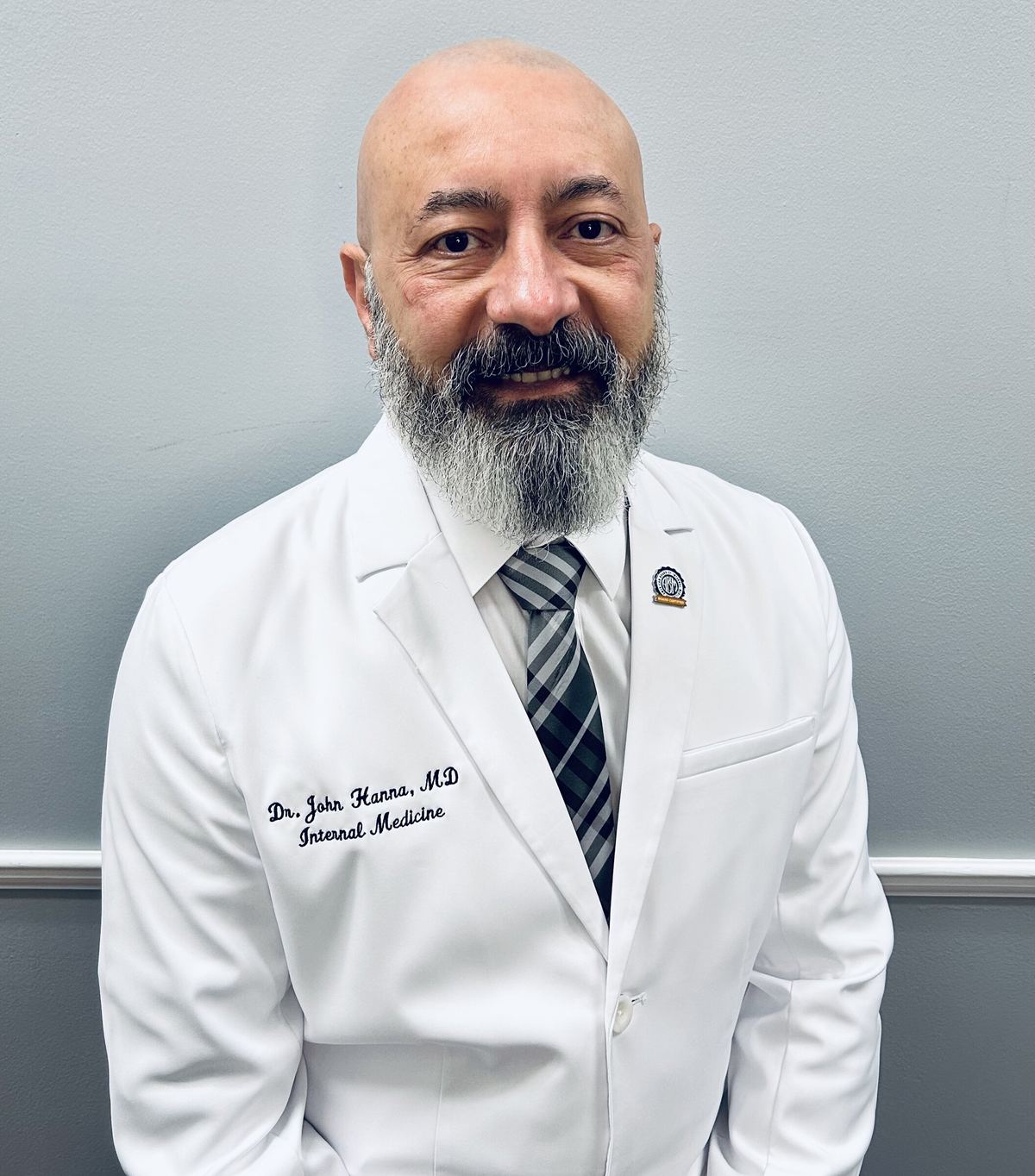
Primary care
Internal Medicine MD
16,000+ Facebook followers in three months, up from about 400
Digital infrastructure and a social content system for a two location internal medicine practice in Hudson and Trinity, Florida.

Healthcare public relations
Shekinah Global Healthcare Foundation
12+ media and wire pickups, including AP News and a FOX 13 broadcast feature
A surgeon led press campaign that built national coverage for a nonprofit surgical mission ahead of a fixed departure date.
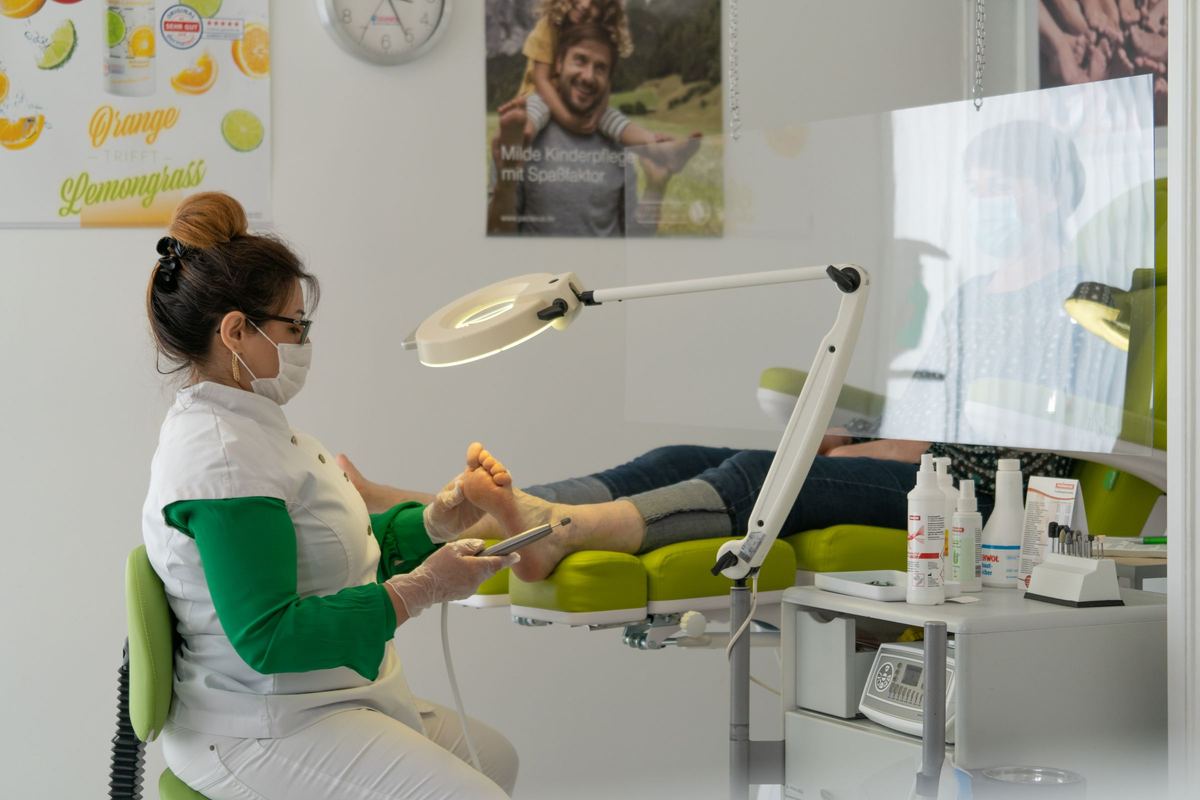
Podiatry
American Foot & Ankle Centers
Nov 2026 engagement start: full website rebuild and growth program
A podiatry practice in Ocala, Florida, beginning a complete website rebuild and patient growth program with Velocity.
Specialties
Specialties we support with paid social
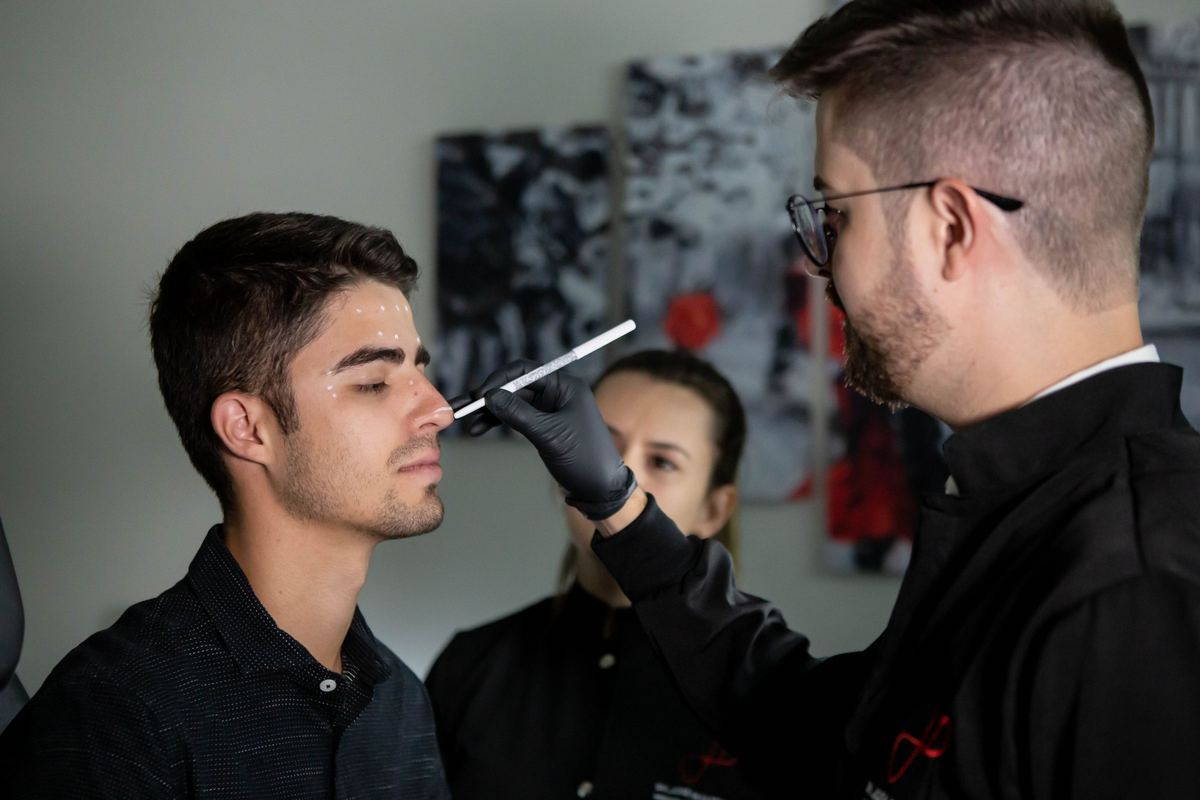
Plastic Surgery
Plastic surgery marketing designed for long research cycles, consultation conversion and careful, compliant claims.
Medical Spas
Med spa marketing that builds memberships and repeat visits while keeping promotions and treatment claims within the rules.

Dermatology
Marketing for dermatology practices that balances medical, surgical and cosmetic service lines under one credible brand.
Podiatry
Podiatry marketing for foot and ankle practices: Google Maps visibility, condition search, Google Ads, website conversion and referral growth, measured to booked new patients.
Services
Services that work alongside paid social
Social Media Marketing
Organic social media for practices and healthcare organizations: physician-led video, content pillars, privacy-aware publishing and community management.
Healthcare PPC
Paid search strategy across Google and Microsoft Ads for healthcare organizations and practices, measured by qualified calls and appointments.
Patient Acquisition
Full funnel patient acquisition marketing that connects demand, conversion, intake and capacity so growth is measured in first visits, not clicks.
Marketing Automation
Lead routing, speed to lead workflows, nurture logic, referral tracking and CRM setup that help healthcare teams respond faster and lose fewer inquiries.
Analytics and Reporting
Privacy-aware measurement for healthcare marketing: GA4, Tag Manager, call tracking, CRM connections, attribution and dashboards leaders can use.
FAQ
Paid social FAQs
Can we target people with a specific condition on Facebook?
No. Meta does not offer targeting by health conditions, and ads should not imply knowledge of a viewer’s health. Campaigns rely on location, broad audiences and creative that speaks to people who may need the service.
Is it safe to put the Meta pixel on our website?
It depends on where it runs and what it sends. We recommend keeping advertising tags off patient portals, appointment flows and condition specific forms, and reviewing the setup with your compliance lead and vendors. This is marketing guidance, not legal advice.
Which practices benefit most from paid social?
Practices with elective, aesthetic or wellness services often see the clearest fit, along with practices launching new locations, adding providers or recruiting staff. Plastic surgery practices and medical spas are common examples.
How is paid social different from social media marketing?
Paid social is advertising with a budget, targeting and conversion goals. Organic social media management covers your regular posts, community engagement and profile upkeep. Many practices use both.
Can we use patient testimonials in ads?
Only with proper written authorization and in line with platform policies and your state professional advertising rules. We plan testimonial content with your compliance lead before production.
Do you advertise on LinkedIn or TikTok?
Where the audience fits. LinkedIn suits recruiting and referral partner outreach. Other platforms are considered case by case based on your patients and the platform health advertising rules.
Sources and further reading
External sources are provided for context. Marketing guidance on this site is not legal advice.
Next step
Ready to introduce your practice to patients before they search?
Tell us what you are running today and what you want paid social to deliver. We will share what we see in your market and how we would measure progress.